Sensex Down 624 Points, Nifty at 24,826; Tomorrow Nifty Prediction
Sensex, Nifty End Lower Amid Expiry-Driven Volatility — Market Outlook for May 28
Indian equity benchmarks ended lower on Monday, May 27, amid heightened volatility driven by the monthly F&O expiry. Despite early strength, selling pressure in heavyweight sectors dragged the indices into the red by the close.
Broader markets showed some resilience, with midcap and smallcap indices ending modestly in the green, indicating selective buying interest outside large-cap names.
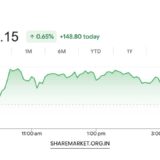
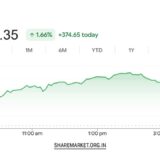
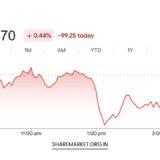
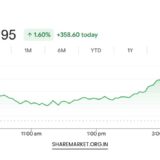
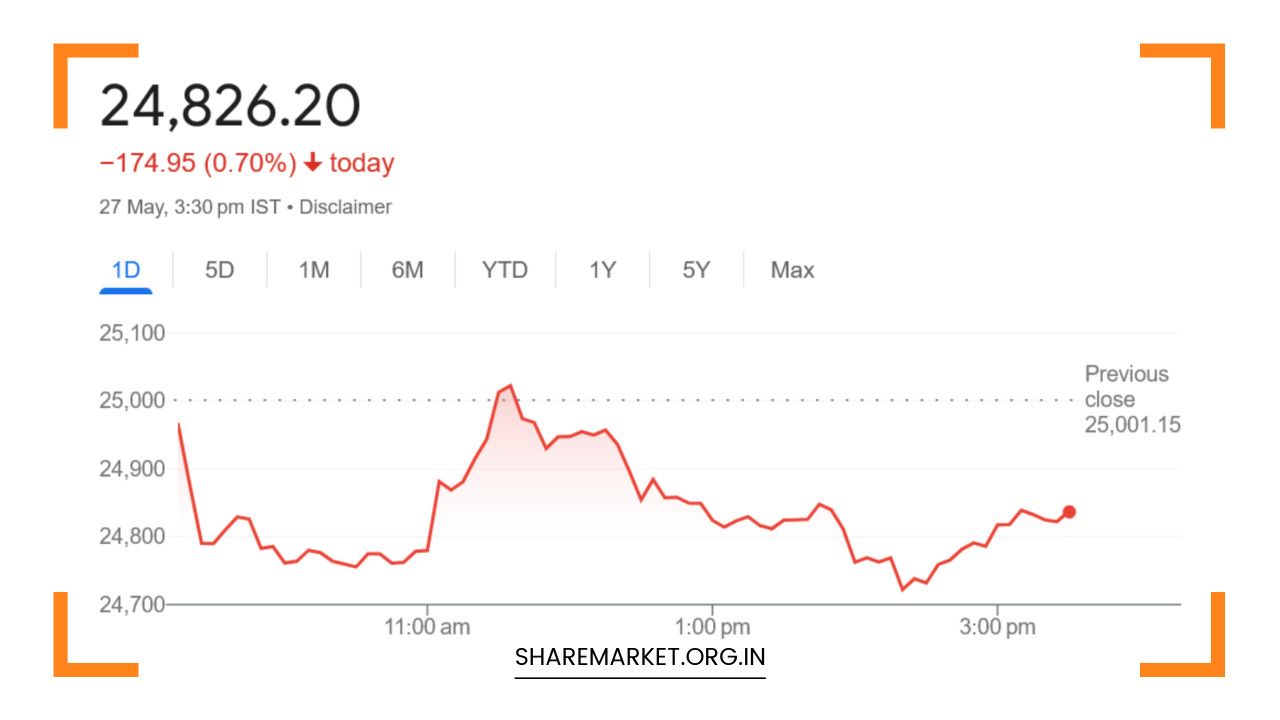
The BSE Sensex declined 625 points, or 0.76%, to settle at 81,552, while the NSE Nifty 50 fell 175 points, or 0.70%, to close at 24,826. The Bank Nifty also witnessed a downtrend, ending 219 points lower at 55,353, as banking heavyweights came under selling pressure.
Sectoral Performance: A Mixed Picture
The trading session saw divergent trends across sectors:
- Gaining Sectors:
- Defense-related stocks attracted solid buying interest amid expectations of higher government spending ahead of the budget and general geopolitical tailwinds.
- The PSU Bank, Realty, and Pharma indices ended with marginal gains, supported by stock-specific moves and positive sentiment around earnings recovery in these pockets.
- Losing Sectors:
- FMCG, IT, and Auto stocks witnessed considerable selling pressure, dragging down the broader indices. High valuations and tepid near-term demand outlooks weighed on investor sentiment.
- The Oil & Gas and Metal indices also closed in the red amid weakness in global commodity prices and concerns over international demand trends.
Market Breadth and Index Composition
The overall market breadth was tilted in favor of bears:
- Nifty 50: 40 out of 50 constituents closed in the red.
- Sensex: 24 of the 30 stocks ended lower.
- Nifty Bank: 6 of 12 banking constituents recorded declines.
Despite the downtrend in large-cap names, broader market performance was relatively better:
- The Nifty Midcap 100 closed 87 points higher at 57,155, indicating continued interest in mid-tier companies.
- Smallcap indices showed similar resilience, with select stocks gaining on the back of positive earnings or sector-specific triggers.
In the currency market, the Indian Rupee weakened by 33 paise, closing at 85.33 against the US Dollar, reflecting concerns over foreign capital outflows and dollar strength globally.
Technical Outlook: Key Levels in Focus
Nifty 50
According to Akshay Chinchalkar, Research Analyst at Axis Securities, the Nifty managed to stay above the psychological 25,000 mark in the previous session. However, the immediate hurdle remains at the previous high of 25,116, which has not yet been convincingly breached. Until Nifty clears this resistance, a possible short-term pullback to 24,462 cannot be ruled out.
Chinchalkar adds, “The level of 24,462 acts as a crucial support zone for both bulls and bears. A sustained move above 25,116, however, could open the doors for further upside towards 25,400–25,600 in the coming sessions.”
Support and Resistance Levels
| Index | Support Levels | Resistance Levels |
|---|---|---|
| Nifty 50 | 24,462 / 24,800 | 25,116 / 25,207 / 25,600 |
| Bank Nifty | 55,000 | 56,000 / 56,500 |
| Sensex | 80,900 | 82,000 / 82,500 |
Devarsh Vakil, Head of Prime Research at HDFC Securities, emphasized that the Nifty has successfully broken out of its recent consolidation range between 24,500 and 25,000, which had limited market moves for several sessions. He noted that while short-term momentum remains cautious, a break above 25,207 could trigger fresh buying, especially if supported by global cues and institutional flows.
Expert Commentary: What to Expect Next
Market sentiment remains divided, with investors adopting a “wait and watch” approach ahead of critical domestic and global economic data. The upcoming GDP numbers, inflation data, and global central bank policy cues are likely to influence short-term direction.
VK Vijayakumar, Chief Investment Strategist at Geojit Financial Services, pointed out that interest rate-sensitive sectors such as auto and realty are seeing renewed investor interest due to the increasing likelihood of a rate cut. “Falling inflation is building the case for a more accommodative monetary policy.
If rate cuts materialize in the next quarter, sectors like auto, housing finance, and realty could outperform,” he noted.
At the same time, Vijayakumar cautioned that the current market rally is being tempered by high valuations, leading to profit booking at higher levels. “We are seeing a pattern of buying on dips and selling on rallies.
A sustainable uptrend will only emerge once we have confirmation of earnings growth in the upcoming quarters,” he added.
Foreign Institutional Activity and Global Factors
Foreign institutional investors (FIIs) have turned cautious in recent sessions, with intermittent profit booking across emerging markets. The outflow of foreign capital remains a concern, particularly with uncertainty around US interest rates and mixed global economic indicators.
Additionally, global cues such as US inflation trends, crude oil prices, and geopolitical developments — especially in Eastern Europe and the Middle East — are expected to influence sentiment in the Indian market.
What to Watch on May 28
Traders and investors should keep an eye on the following key factors:
- Movement in global markets, especially US indices and Asian peers.
- Updates on monsoon progress, which could impact agri stocks and FMCG demand.
- Institutional flow patterns, particularly from FIIs.
- Technical breakout levels in key indices such as Nifty, Bank Nifty, and Sensex.
- Sector rotation trends, especially interest in midcaps, defense, and realty stocks.
Final Thoughts
The Indian stock market remains in a technically sensitive and valuation-conscious zone. While overall sentiment is not overtly bearish, the upside appears capped unless a strong catalyst — such as earnings momentum, policy support, or favorable global data — emerges.
Investors should remain selective and focus on fundamentally strong stocks, while traders may benefit from range-bound strategies until a decisive breakout or breakdown occurs. Volatility is likely to remain elevated in the near term, especially in the run-up to key macroeconomic announcements.