Sensex Down 82 Points, Nifty at 24,793; Nifty Prediction for Tomorrow
Markets End Flat as Range-Bound Trade Continues; What to Expect on June 20?
Indian equity markets ended marginally lower on Wednesday, June 19, with benchmark indices exhibiting muted movement amid mixed global signals, valuation concerns, and sector-specific pressures.
The broader market underperformed sharply, dragging investor sentiment despite the relative stability in frontline indices.
On the day of the Nifty Weekly Expiry, the markets remained stuck in a narrow trading range, lacking fresh triggers to move decisively in either direction.
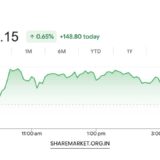
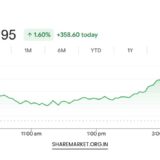
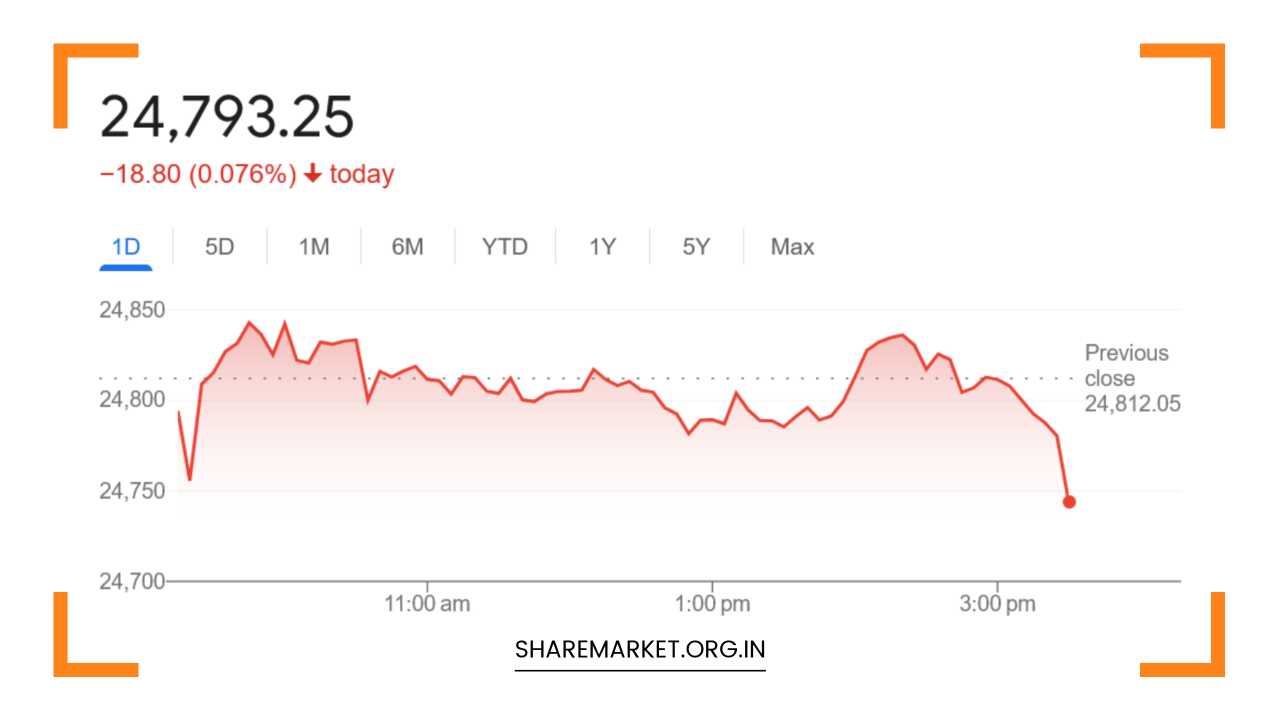
The Nifty 50 settled at 24,793.25, registering a modest decline of 18.80 points, while the BSE Sensex slipped 83 points to close at 81,362.20.
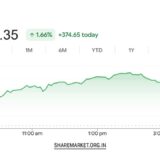
Meanwhile, the Nifty Bank Index underperformed, falling 251 points to end at 55,577, reflecting persistent weakness in the financial space.
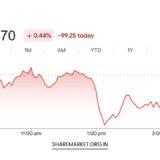
Market breadth was negative, with sharp cuts seen in the midcap and smallcap segments. The Nifty Midcap 100 Index declined by 949 points, closing at 57,160, signaling strong selling pressure in the broader market.
This sharp fall reflects investor caution and potential profit-booking at elevated valuations.
Sectoral Performance: Auto Shines Amid Broad Weakness
While headline indices ended flat, sectoral indices told a different story. Most sectors closed in the red, weighed down by global macroeconomic uncertainties and domestic overvaluation concerns.
- Realty, IT, and metal stocks led the decline, with profit booking evident in high-beta segments.
- Public sector banks (PSU Banks) and media stocks also bore the brunt of the selloff.
- The auto sector was the only one to close in positive territory, driven by optimism surrounding rural demand, favorable monsoon forecasts, and steady domestic sales trends.
Out of the 50 Nifty constituents, 29 ended in the red, while 21 closed in the green. In the Sensex basket, 21 of 30 stocks declined.
The banking sector saw pressure across the board, with 10 of the 12 Nifty Bank stocks ending lower.
Global Cues: Fed Uncertainty Clouds Sentiment
Global markets provided little support, with sentiment turning cautious after the latest signals from the US Federal Reserve.
While the Fed chose to maintain interest rates at current levels, its updated economic projections indicated a mixed outlook.
According to Shubho Maulik, CEO of Appreciate, the Fed now expects GDP growth of just 1.4% and inflation at 3%, reflecting a potential scenario of stagflation—low growth accompanied by persistent inflation.
Compounding this concern is the lack of consensus within the Federal Open Market Committee (FOMC): seven members see no rate cuts in 2024, while eight anticipate two rate cuts by year-end.
“This level of disagreement among Fed policymakers highlights the deep uncertainty about the US economy’s trajectory. The lack of clarity is keeping global investors on edge,” Maulik explained.
Given the interconnectedness of global financial markets, such ambiguity in the world’s largest economy invariably affects sentiment in emerging markets, including India.
Valuation Overhang in Indian Markets
Despite resilient economic data and strong long-term fundamentals, Indian equities continue to face headwinds from rich valuations, especially in the broader markets.
Market experts caution that without significant earnings upgrades or fresh domestic triggers, a meaningful rally may remain elusive in the near term.
VK Vijayakumar, Chief Investment Strategist at Geojit Financial Services, emphasized that the Nifty is likely to remain in a consolidation phase between 24,500 and 25,000 unless a significant catalyst emerges.
“One key factor to watch is the Israel-Iran geopolitical situation. If tensions de-escalate, we may see a breakout on the upside. However, continued uncertainty will keep markets within this defined range,” he said.
While institutional buying has provided support at lower levels, sustained participation from retail and foreign investors may depend on improved earnings visibility and macroeconomic stability.
Technical View: Doji Signals Market Indecision
From a technical standpoint, Wednesday’s price action resulted in the formation of a Doji candlestick pattern on the Nifty’s daily chart—a clear indication of indecision between bulls and bears.
This pattern is often interpreted as a sign that the prevailing trend (in this case, consolidation) may be nearing an inflection point.
Aditya Gaggar, Director at Progressive Shares, observed that the trading range has narrowed further, making the immediate support and resistance levels critical in the short term.
“Nifty’s immediate support lies at 24,670, while the next key resistance is at 24,920. A breakout on either side will likely determine the near-term direction,” he noted.
Gaggar also highlighted that the real pain is being felt in the midcap and smallcap segments, where valuations are stretched and investors are turning cautious.
“Unless broader markets show signs of recovery, the overall market tone may remain subdued, despite resilience in the large-cap space,” he added.
Outlook for June 20: What to Watch
As markets look ahead to June 20, investors will closely monitor both global developments and domestic cues for direction. Key factors to watch include:
- Progress in monsoon coverage, which could boost sentiment for rural- and consumption-linked stocks.
- Updates on the Israel-Iran conflict, which has the potential to significantly impact oil prices and global risk sentiment.
- Corporate commentary and earnings forecasts, particularly from sectors like IT, banking, and FMCG.
Technically, a breach above 24,920 could open the door for a fresh rally toward 25,200, while a fall below 24,670 may invite further profit booking and possibly a deeper correction toward 24,500.
With the market still in a consolidation phase and uncertainties looming, traders are advised to remain cautious and follow a stock-specific approach, especially in the broader market segments.
Long-term investors may look for opportunities during dips, particularly in sectors with strong earnings visibility and favorable risk-reward profiles.