Sensex Down 375 Points, Nifty at 25,111; Nifty Prediction for Tomorrow
Indian Stock Market Ends in the Red: What to Expect on July 18
On July 17, Indian equity markets witnessed a significant pullback, closing in the red as both the Nifty and Sensex recorded losses.
This was the result of persistent selling pressure, mixed global cues, and a relatively weak start to the earnings season.
Despite the overall decline, buying in certain sectors, especially those sensitive to interest rate movements and defensive stocks, helped to cushion the market’s fall.
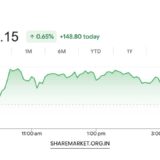
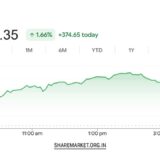
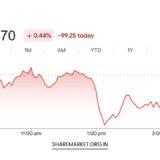
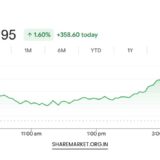
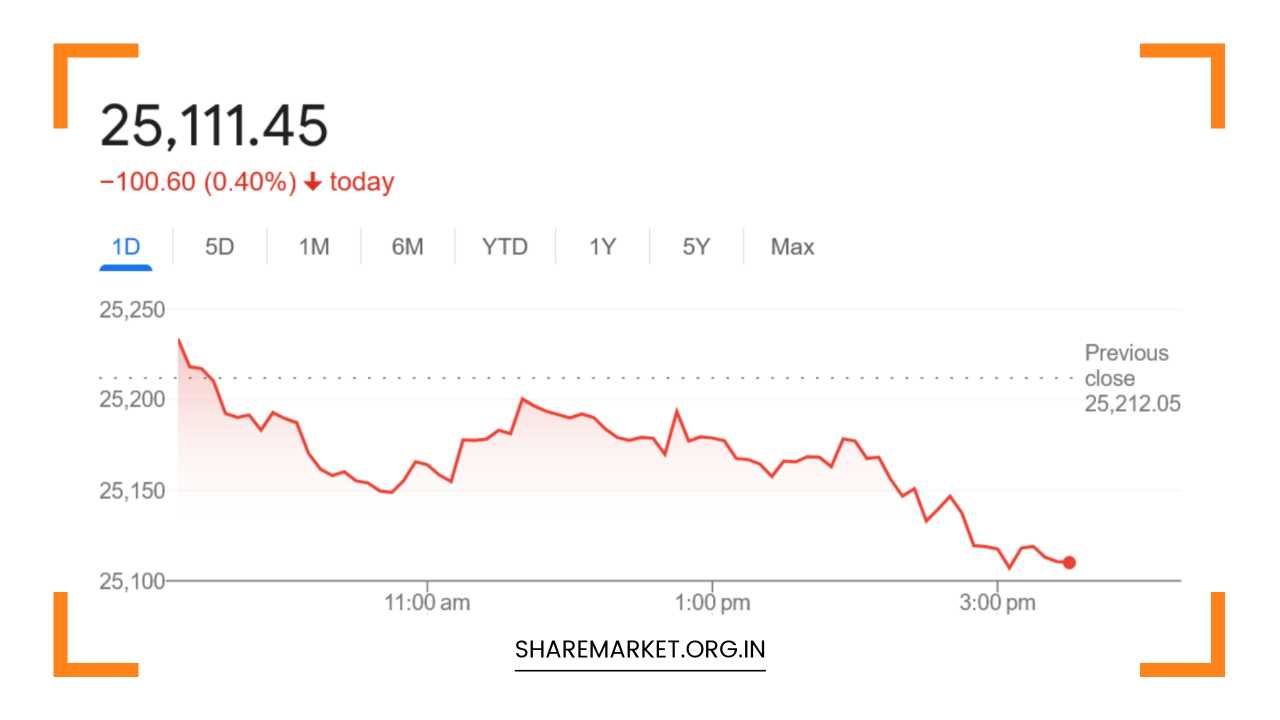
The Nifty closed at 25,111.45, down by 100.60 points or 0.40%, while the Sensex ended the session at 82,259.24, down by 375.24 points, or 0.45%.
Market Performance Overview: A Mixed Bag
The Indian stock market, as represented by the Nifty and Sensex, faced selling pressure throughout the day, reflecting the broader global weakness and concerns about domestic earnings growth.
Market breadth was fairly neutral, with 1,931 stocks advancing and 1,942 stocks declining, while 152 stocks remained unchanged, highlighting the volatility in individual stock performance.
- Tech Mahindra, IndusInd Bank, Infosys, SBI Life Insurance, and Wipro emerged as the top losers in the Nifty 50 index, reflecting broad-based weakness in the IT and financial sectors.
- On the flip side, Tata Consumer, Tata Steel, Hindalco Industries, Trent, and M&M were the top gainers, offering a glimmer of optimism in an otherwise lackluster market day.
Overall, the market’s decline was relatively limited, and several sectors managed to outperform despite the bearish trend in the broader indices.
Sectoral Trends: A Tale of Resilience and Weakness
The sectoral performance on July 17 was a mix of strength in some areas and weakness in others, reflecting broader investor sentiment.
Interest rate-sensitive sectors like auto, realty, and select banking stocks saw substantial buying interest, driven by the potential for improved growth in these segments as interest rates are expected to remain stable in the short term.
Additionally, defensive stocks like FMCG and pharma stocks attracted significant inflows, as investors sought safe-haven investments amid global uncertainties and market volatility.
- Auto and Realty sectors, which are particularly sensitive to interest rate changes, benefitted from renewed buying interest. These sectors often see a positive reaction to stability in interest rates, as it could boost demand for housing and automobiles, key drivers of economic growth.
- The Pharma and FMCG sectors also showed resilience, driven by the defensive nature of their business models. These sectors tend to outperform when the market sentiment turns cautious, as their products remain in demand regardless of economic conditions.
However, not all sectors saw favorable movement. Both the IT and PSU Banks indices declined by 0.5-1%, reflecting concerns about global growth and earnings pressure.
In particular, tech stocks have been under pressure due to weaker-than-expected earnings reports from large multinational technology companies, raising concerns about slowing growth in the sector.
Likewise, PSU banks faced headwinds amid a slowdown in credit growth and concerns regarding asset quality.
Metal, Consumer Durables, and Realty indices managed to outperform, posting gains of 0.5-1%. This suggests a rotation into cyclical and defensive stocks as investors adjusted their portfolios in response to both global and domestic economic data.
The BSE Midcap index ended the day flat, while the BSE Smallcap index posted a marginal gain of 0.25%, signaling some resilience among mid and small-sized stocks that typically perform well in periods of market consolidation.
Technical Outlook: Bearish Sentiment Prevails
According to Rupak Dey, Senior Technical Analyst at LKP Securities, the Nifty remained under selling pressure throughout the day, unable to surpass the key resistance level of 25,260.
This inability to break through resistance led to long unwinding, suggesting that the bullish momentum in the market is weakening.
The charts indicate a consolidation breakout, which points to a potential shift in market sentiment, leaning towards a more bearish outlook in the near term.
Dey suggested that the Nifty might head towards the 24,920-24,900 range in the short term, especially if the selling pressure persists.
However, the immediate resistance level at 25,260 remains a key hurdle that any potential upside movement will have to breach.
Global and Domestic Sentiment: Mixed Signals Weighing on Markets
The global economic environment continues to be a significant influence on the domestic market, with ongoing uncertainties in the U.S. and European markets, concerns about Chinese economic slowdown, and potential geopolitical risks.
The domestic market is also facing the early stages of the earnings season, with investors uncertain about the trajectory of corporate earnings growth.
As noted by Ajit Mishra from Religare Broking, while global uncertainties are weighing on investor sentiment, the market has managed to weather the storm thanks to continued inflows of cash.
Despite weak earnings reports from some major companies, the inflow of funds into interest rate-sensitive and defensive sectors has helped to limit the overall market’s decline.
Mishra also pointed out that the current market environment offers attractive long-term investment opportunities in select sectors, particularly auto, realty, FMCG, and pharma, where valuations are relatively attractive compared to broader market levels.
Outlook: Caution Advised as Volatility Persists
Looking ahead, the outlook for Indian stocks remains uncertain, with both global and domestic factors contributing to market volatility.
The short-term trend suggests a continued cautious approach, with the Nifty likely to face resistance at the 25,260 level and potentially moving towards lower support levels in the range of 24,900-24,920.
For investors, there are still pockets of opportunity in select sectors. Interest rate-sensitive sectors like auto, realty, and select banking stocks are likely to perform well in the medium term, particularly if interest rates remain stable or decline.
Meanwhile, defensive stocks in the FMCG and pharma sectors could continue to provide a safe haven in these uncertain times.
However, given the market’s current volatility, it is essential for traders and investors to remain selective. Focusing on quality stocks with strong fundamentals and managing risk will be key in navigating the coming weeks.
Key Takeaways:
- Indian benchmark indices ended in the red due to persistent selling pressure, global uncertainties, and mixed earnings expectations.
- Interest rate-sensitive sectors like auto, realty, and select banking stocks saw buying interest, while FMCG and pharma stocks provided defensive support.
- IT and PSU Banks struggled, posting declines of 0.5-1%.
- Short-term technical outlook suggests potential downside, with Nifty facing strong resistance at 25,260.
- Investors are advised to focus on specific sectors with strong long-term growth prospects and defensive characteristics.
What to Watch on July 18:
- Global market trends, particularly in the U.S., China, and Europe, could influence domestic sentiment.
- Key earnings results, especially in IT, banking, and auto sectors, may provide clarity on future market direction.
- Any signs of stabilization in global growth or a shift in investor sentiment could provide a catalyst for a potential market rebound.