Sensex Down 705 Points, Nifty at 24,500; Nifty Prediction for Tomorrow
Indian Markets Close Lower for Second Day: What Could Shape Market Moves on August 29
The Indian stock markets ended on a weak note for the second consecutive session on August 28, amid global concerns and a lack of fresh domestic triggers.
A combination of high valuations, tepid earnings, and negative global cues contributed to the pressure, pushing benchmark indices into the red.
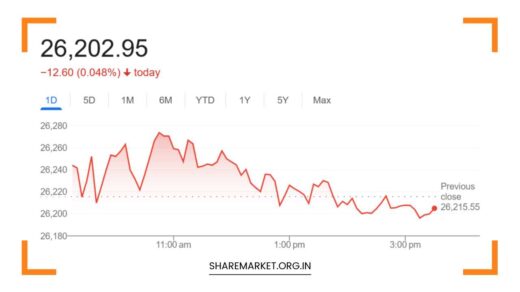
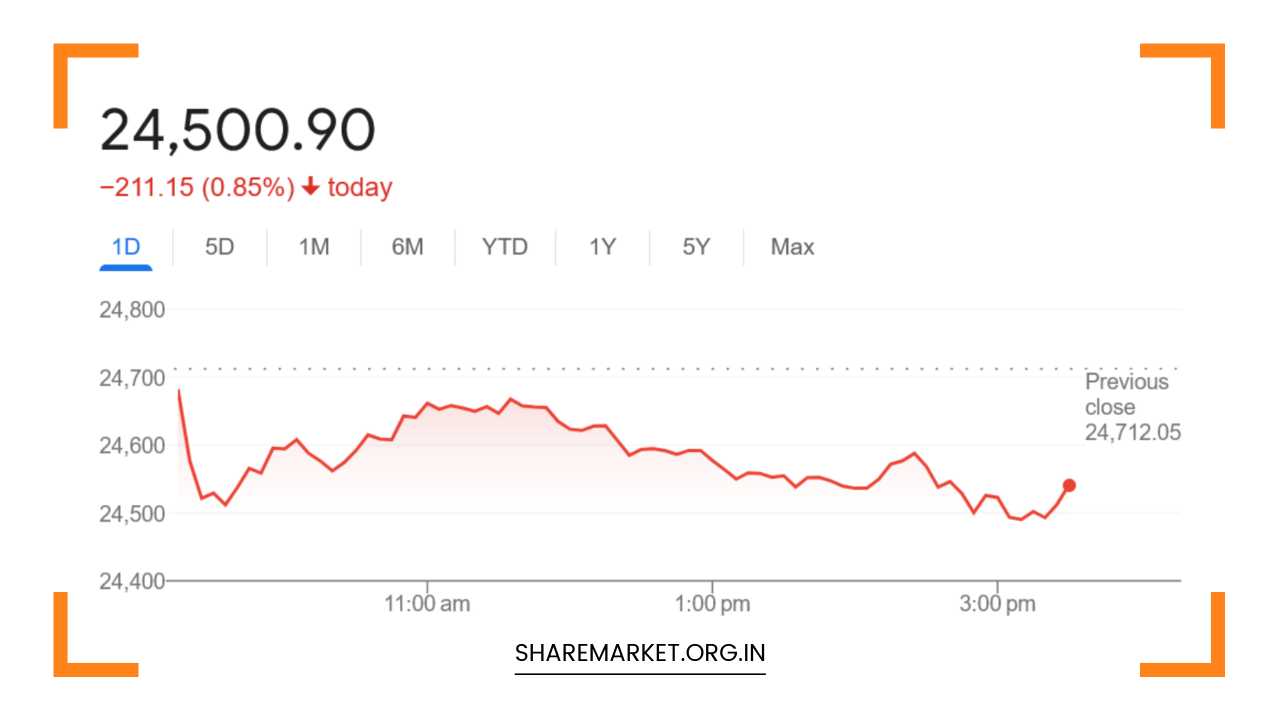
The Nifty 50 slipped below the critical 24,600 level, closing at 24,500.90, while the Sensex dropped more than 700 points to settle at 80,080.57.
Broader markets and sectoral indices mirrored the decline, pointing to a cautious mood among investors.
Benchmark Indices in the Red
- Sensex fell 706 points or 0.87%
- Nifty 50 dropped 211 points or 0.85%
- The BSE Midcap index declined 1.1%
- The BSE Smallcap index fell 0.9%
This marks the second straight day of losses for the markets, dragging them off recent highs.
The correction comes amid increasing nervousness about external factors such as trade tensions, global monetary policy directions, and weak global demand outlooks.
Top Gainers and Losers
On the Nifty, Shriram Finance, HCL Technologies, TCS, Power Grid Corporation, and Infosys were among the top losers, reflecting weakness in financial and IT-heavyweights.
Meanwhile, Titan Company, Adani Enterprises, Coal India, Reliance Industries, and Hero MotoCorp managed to buck the trend and closed with gains.
The IT sector, often seen as a bellwether for global sentiment, remained under pressure, influenced by weak global tech demand and the impact of global trade tensions.
Meanwhile, consumer-oriented and commodity-linked stocks provided some relief to the indices.
Sectoral Performance: Bleeding Broad-Based
Sectoral indices reflected a deep-rooted risk-off sentiment. All sectors, barring consumer durables, ended in the red:
- Banking, IT, Realty, FMCG, and Telecom each declined around 1%
- Consumer durables stood out with marginal gains, aided by select stock-specific action
This broad-based selling underscores the caution prevalent across investor classes, with even previously resilient sectors such as FMCG and Banking succumbing to pressure.
₹4 Lakh Crore Wealth Erosion
Investor wealth took a significant hit. The total market capitalisation of companies listed on the BSE fell from ₹449 lakh crore in the previous session to ₹445 lakh crore, translating into a notional wealth erosion of around ₹4 lakh crore in just one day.
This decline indicates not just price corrections in headline indices but also significant losses in broader market segments including mid- and small-caps, many of which have been trading at expensive valuations.
Global Factors at Play: US Tariff Moves Weigh on Sentiment
According to Ajit Mishra, SVP – Technical Research at Religare Broking, one of the key drivers behind the recent decline is the implementation of a 25% additional tariff by the United States on select Chinese and Asian goods.
This move has added fresh uncertainty to global trade dynamics, prompting concerns over export-linked earnings and global supply chains.
Mishra points out that in the absence of any major domestic event, the Indian market is now largely reacting to global developments, including moves in the US dollar, crude oil, and geopolitical tensions.
Valuation Concerns and Earnings Disappointment
VK Vijayakumar, Chief Investment Strategist at Geojit Financial Services, believes that the market is currently grappling with a dual challenge of high valuations and slow earnings growth.
“While domestic institutional investors (DIIs) continue to support the market through aggressive buying, the valuations in certain segments—especially mid- and small-cap stocks—have reached unsustainable levels,” said Vijayakumar.
He advises investors to be selective and recommends shifting focus to large-cap stocks with reasonable valuations, especially in domestic consumption themes.
He also notes that any FII selling is being largely neutralized by DII inflows, but the sustainability of this trend is uncertain, particularly if global markets correct more deeply.
Technical Outlook: Key Levels to Watch
From a technical analysis standpoint, the Nifty 50 has breached its 100-day Exponential Moving Average (EMA) of around 24,600, which acted as a key medium-term support.
With this breakdown, the index may now seek support at 24,250–24,350, which aligns with the previous swing low and the long-term 200-day EMA.
On the upside, the 24,650–24,800 zone, which previously served as a support band, has now turned into a resistance area, indicating a bearish reversal pattern in the short term.
Ajit Mishra cautions traders to stay aligned with the broader trend, and advises a stock-specific approach with tight stop-losses.
“Volatility may remain high in the coming sessions, and indiscriminate buying should be avoided,” he said.
What to Watch on August 29 and Beyond
As we head into the next trading session on August 29, several factors will be closely watched by market participants:
- Global Cues: Developments in the US-China trade tariff issue, US GDP and inflation data, and movement in global equities.
- FII/DII Flows: Any sign of reversal in foreign institutional investor flows will be critical to sustaining any potential bounce.
- Commodities: Crude oil and metal prices may influence energy and infrastructure-related stocks.
- Currency Movement: The performance of the INR against the USD will impact sectors like IT and pharma.
Investment Strategy: Time for Prudence
With markets turning choppy, analysts are urging investors to adopt a more conservative, defensive strategy:
- Reduce exposure to highly valued small-cap and micro-cap stocks
- Focus on large-cap stocks in banking, consumption, healthcare, and infrastructure
- Keep an eye on dividend-yielding stocks that offer safety and income
For short-term traders, the environment remains challenging. The current setup demands discipline, strict stop-loss adherence, and tactical positioning.
Final Thoughts
The Indian stock market’s recent decline underscores rising unease over global trade policies, stretched valuations, and slowing earnings momentum.
While domestic liquidity remains a supporting factor, external uncertainties and technical breakdowns are beginning to weigh more heavily on sentiment.
As we move into August 29, market participants should expect a continuation of volatility and align their strategies accordingly.
A focus on fundamentals, disciplined risk management, and selective stock-picking will be essential for navigating this uncertain phase.