ITC Stock Crash: Shares Plunge 10% After Cigarette Excise Duty Hike
ITC Stock Plummet: Government Tax Hike Triggers 10% Crash, Impacting LIC and Top Mutual Funds
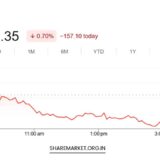
The Indian equity markets started 2026 with a significant jolt as shares of ITC Limited, the country’s leading fast-moving consumer goods (FMCG) and tobacco giant, witnessed a dramatic sell-off. On January 1, 2026, the stock plummeted nearly 10%, closing at ₹363.85. This sharp decline followed a surprise government announcement regarding a hike in excise duties on cigarettes, dealing a heavy blow to the portfolios of major institutional investors, including the Life Insurance Corporation of India (LIC) and several top-tier mutual funds.
The Catalyst: A Surprise Excise Duty Hike
The primary driver behind the crash was the government’s decision to impose a new, higher excise duty on tobacco products, set to take effect next month. For a company like ITC, which derives a substantial portion of its bottom line from the cigarette business, tax hikes are a perennial headwind. However, the quantum and timing of this specific duty caught the street off-guard.
During the trading session, ITC’s share price tumbled from an intraday high of ₹402.70 to a low of ₹362.70. The National Stock Exchange (NSE) recorded massive trading volumes, signaling intense selling pressure as both retail and institutional investors moved to de-risk their positions. This single-day drop is being cited as the most severe the stock has faced in over eight months.
Who Feels the Pain? The Stakeholder Breakdown
Unlike many large Indian conglomerates, ITC is unique because it has no promoter or promoter group. It is a professionally managed company where 100% of the shares are held by public shareholders, primarily institutional giants. Consequently, a 10% crash doesn’t just hurt a single family—it impacts the retirement savings and insurance premiums of millions of Indians.
1. The Heavyweight: LIC and Insurance Giants
The Life Insurance Corporation of India (LIC) remains the largest domestic institutional investor in ITC. As of the September 2025 quarter, LIC held a massive 15.86% stake. The 10% erosion in share value translates to a paper loss of thousands of crores for the insurance behemoth. Other state-owned insurers also felt the pinch:
-
General Insurance Corporation of India (GIC): 1.73% stake.
-
New India Assurance Company: ~1.4% stake.
2. Mutual Fund Portfolios Under Pressure
ITC is a staple in many Indian mutual fund portfolios due to its high dividend yield and stable cash flows. Currently, 46 mutual fund houses hold a combined stake of approximately 14.30%.
-
SBI Mutual Fund: The largest holder among MFs with a 3.26% stake.
-
ICICI Prudential Mutual Fund: Holds 2.28%.
-
Other Major Players: Nippon Life India, UTI, Parag Parikh Flexi Cap, and Mirae Asset all hold stakes between 1.06% and 1.36%.
For funds like Parag Parikh Flexi Cap, which focuses on value and cash flow, this volatility tests the conviction of fund managers who have long championed ITC’s diversified business model.
3. Foreign Institutional Investors (FIIs)
Foreign interest in ITC remains high. Tobacco Manufacturers (India) Limited holds the single largest block at 17.79%. Additionally, GQG Partners, led by the renowned Rajiv Jain, has been a vocal supporter of the company. Their Emerging Markets Equity Fund held over 2% as of late 2025.
Rajiv Jain previously noted that ITC’s valuation—at roughly 23 to 25 times earnings—was “quite favorable” for a company capable of delivering consistent double-digit growth. However, this tax-induced volatility may force a re-evaluation of those growth projections.
Challenges Ahead: Margin Pressure and Volatility
The immediate concern for analysts is the impact on operating margins. Market expert Siddharth Maurya suggests that while ITC has successfully passed on tax hikes to consumers in the past, there is a limit to price elasticity.
“The recent increase in excise duty is a major setback for the cigarette business in the short term,” says Maurya. “Because tobacco remains the primary engine of ITC’s profitability, any pressure on this segment directly impacts the company’s ability to fund its ‘FMCG Others’ expansion and its hotel business demerger goals.”
Financial Snapshot and Performance
The crash on January 1, 2026, has effectively wiped out nearly two years of gains, returning the stock to levels last seen in March 2024.
-
2025 Performance: The stock fell by approximately 12% over the course of 2025, marking its first year of negative returns since the pandemic-stricken 2020.
-
Valuation: The Price-to-Earnings (P/E) ratio currently hovers around 25.
-
Market Cap: Despite the crash, ITC remains a heavyweight with a market capitalization of approximately ₹4.59 lakh crore.
The Road to Recovery: Can Diversification Save ITC?
For long-term investors, the “ITC Story” has always been about its transition from a cigarette company to a diversified FMCG powerhouse. Its brands—spanning from Aashirvaad and Sunfeast to Bingo! and Yippee!—have gained significant market share. Furthermore, the impending demerger of its hotel business is expected to unlock value for shareholders.
However, the “sin tax” remains the Achilles’ heel. Every time the government seeks to bolster its revenue, tobacco is an easy target. For the stock to recover, ITC will need to demonstrate:
-
Pricing Power: The ability to hike cigarette prices without a significant drop in volume.
-
FMCG Growth: Faster-than-expected margin improvement in the non-tobacco FMCG segment.
-
Institutional Support: Continued backing from LIC and FIIs like GQG Partners during this period of price discovery.
Final Thoughts
The 10% crash on the first day of 2026 serves as a stark reminder of the regulatory risks inherent in “sin-goods” investing. While the company remains fundamentally strong with zero debt and robust cash flows, the immediate path is clouded by tax headwinds. For LIC and the 46 mutual funds heavily invested in the counter, the coming quarters will be a test of patience as they wait to see if the FMCG giant can once again navigate a challenging regulatory landscape.