Sensex Down 324 Points, Nifty at 25,585; Tomorrow Nifty Prediction
Market Closes in the Red: Comprehensive Analysis and Prediction for January 20th
The Indian equity markets faced a challenging session on Monday, January 19, 2026, as a combination of global trade anxieties and persistent domestic selling pressure dragged the benchmark indices lower. For the second consecutive session, the Nifty 50 struggled to maintain its footing, eventually closing below the psychological 25,600 mark.
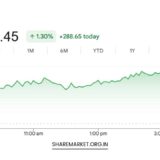
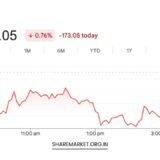
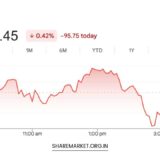
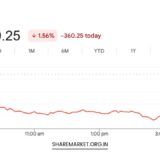
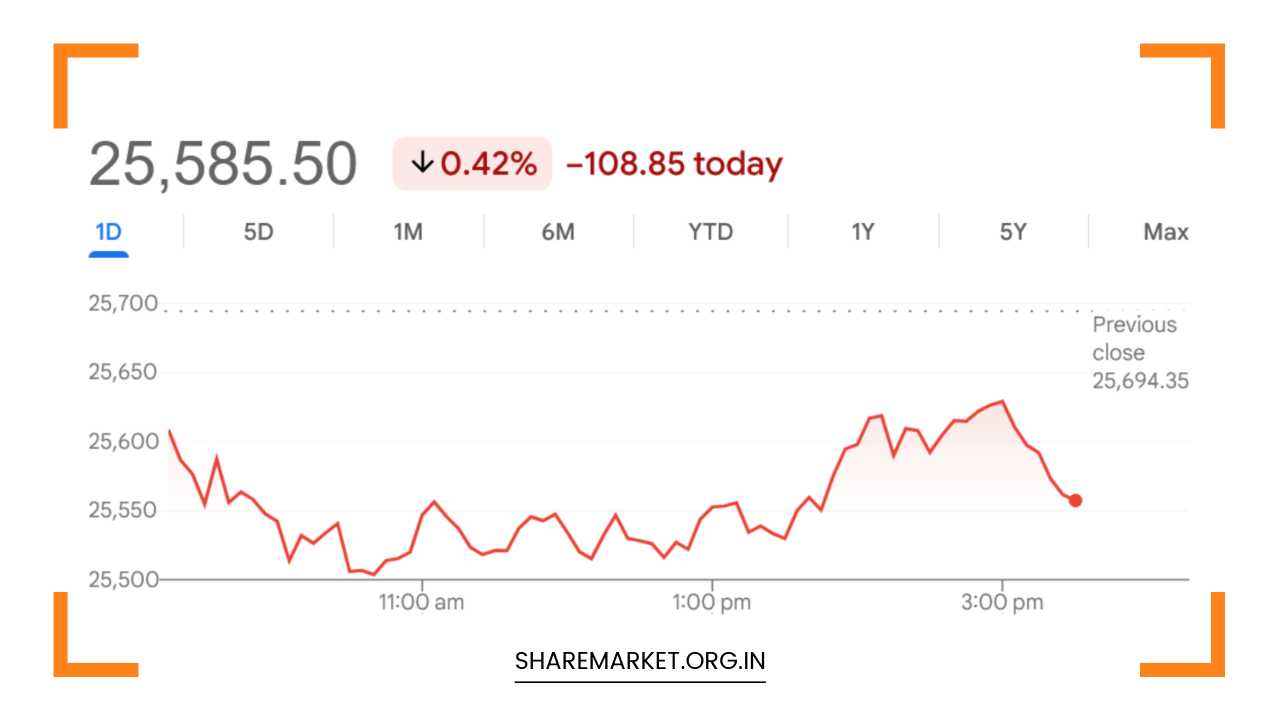
By the closing bell, the BSE Sensex dropped 324.17 points (0.39%) to finish at 83,246.18, while the NSE Nifty 50 shed 108.85 points (0.42%) to settle at 25,585.50. The broader market sentiment was notably weak, reflected in a skewed advance-decline ratio: approximately 1,122 shares advanced, 2,795 declined, and 169 remained unchanged.
Deep Dive: Sectoral Performance and Stock Movers
The market breadth favored the bears, with smallcap and midcap segments bearing the brunt of the sell-off. The BSE Smallcap index declined 1.2%, signaling a “risk-off” sentiment among retail investors, while the Midcap index fell 0.4%.
The Gainers and Losers
-
Laggards: The downward pressure was led by IT and heavyweights. Wipro, Eternal, Reliance Industries, Tata Motors Passenger Vehicles, and Max Healthcare emerged as the top Nifty losers. The decline in Reliance Industries particularly weighed on the index heavy-lifting.
-
Resilient Performers: On the flip side, some defensive and consumer-facing stocks bucked the trend. InterGlobe Aviation (IndiGo) saw buying interest, alongside Tech Mahindra, Kotak Mahindra Bank, Hindustan Unilever (HUL), and Maruti Suzuki.
Sectoral Map
Except for the FMCG sector, which acted as a defensive hedge, all other sectoral indices closed in the red.
-
Media, Oil & Gas, and Realty: These sectors were the worst hit, closing between 1.5% and 2% lower.
-
Financials: Bank Nifty showed signs of fatigue, struggling to hold key levels as FII outflows continued to dampen liquidity.
Global Headwinds: The “Trump Tariff” Shockwave
The primary catalyst for the global synchronized sell-off was a renewed threat of protectionism from Washington. Vinod Nair, Head of Research at Geojit Investments, noted that global sentiment soured after U.S. President Donald Trump announced a fresh round of tariffs targeting eight European countries.
“Trump’s announcement has reignited fears of a protracted trade war between the U.S. and the European Union,” Nair explained. “This has prompted a flight to safety, with investors moving capital out of emerging market equities and into safe-haven assets like gold.”
While Europe and India struggled, parts of Asia—specifically China—showed relative resilience. This was attributed to favorable macroeconomic data and export-led GDP growth that exceeded analyst expectations, providing a rare silver lining in an otherwise gloomy global landscape.
Technical Outlook: Key Levels for January 20th
From a technical perspective, the Nifty’s inability to reclaim its short-term moving averages is a cause for concern among swing traders.
Nifty 50 Analysis
Hitesh Tailor, Technical Research Analyst at Choice Broking, highlighted that while the Nifty is trading below its 20-day and 50-day Exponential Moving Averages (EMAs), it remains comfortably above the 200-day EMA. This suggests that while the short-term trend is bearish, the medium-term structural bull run is still intact.
-
Resistance: Immediate hurdles are placed at 25,875, followed by 26,000 and 26,100.
-
Support: Crucial floors are identified at 25,600 and 25,450.
Rupak De, Senior Technical Analyst at LKP Securities, added a more cautious note, observing that the “bears maintained control” throughout the session. “The RSI (Relative Strength Index) remains in a bearish crossover, and the rise in the India VIX (Volatility Index) indicates heightened fear. If selling persists, we could see the Nifty testing the 25,200 level in the coming sessions.”
Bank Nifty Outlook
The banking index is at a crossroads. Analysts warn that a breach of the 59,750 mark could trigger a swift corrective move toward the 59,550–59,150 zone. Conversely, any recovery attempt will face stiff resistance at 60,350 and 60,700.
Domestic Triggers: FIIs and Q3 Earnings
Beyond global geopolitics, two domestic factors are dictating the market’s pulse:
-
Continuous FII Outflows: Foreign Institutional Investors have remained net sellers in the Indian market for several sessions. High U.S. Treasury yields and the allure of cheaper valuations in other Asian markets have led to a steady drain of liquidity from Indian large-caps.
-
Q3 Earnings Season: We are currently in the thick of the third-quarter corporate earnings season. Stock-specific volatility is at an all-time high as the market reacts to bottom-line performance. Management commentary regarding the impact of global supply chain disruptions and domestic rural demand will be pivotal for the next leg of the rally.
Strategy for Investors on January 20th
As we head into the January 20th session, the market appears to be in a “Sell on Rise” mode. The confluence of a rising VIX and a declining RSI suggests that the bottom may not be in just yet.
What to watch for:
-
The 25,450 Level: If Nifty fails to hold this support in the opening hour, expect further liquidation.
-
U.S. Market Reaction: How Wall Street closes tonight following the tariff news will set the tone for the Asian opening tomorrow.
-
Currency Fluctuations: Any significant weakness in the Rupee against the Dollar could further accelerate FII exits.
Final Thoughts
The Indian market is currently navigating a “perfect storm” of geopolitical uncertainty and technical weakness. While the long-term story remains robust, short-term traders should exercise caution and avoid aggressive long positions until the Nifty closes decisively above the 20-day EMA (currently near 25,700). For long-term investors, this consolidation phase offers an opportunity to accumulate quality blue-chip stocks in the FMCG and Banking sectors at more attractive valuations.