Sensex Down 715 Points, Nifty at 23,996; Tomorrow Nifty Prediction
Indian Stock Market Review and Outlook: Navigating the July 23rd Session
Executive Summary: Market Recap of July 22rd
Indian benchmark indices faced severe selling pressure on July 22, 2026, marking their third consecutive session of declines. The market sentiment turned aggressively risk-off as a cocktail of macroeconomic headwinds—chiefly escalating geopolitical friction in the Middle East, surging global crude oil prices, and sudden trade policy shocks—hit domestic equities.
-
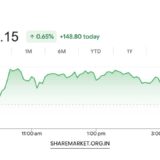
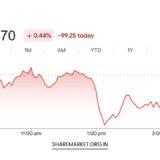
The BSE Sensex plummeted 715.06 points (or 0.92%) to close at 76,755.05.
-
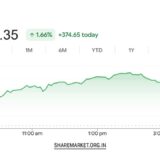
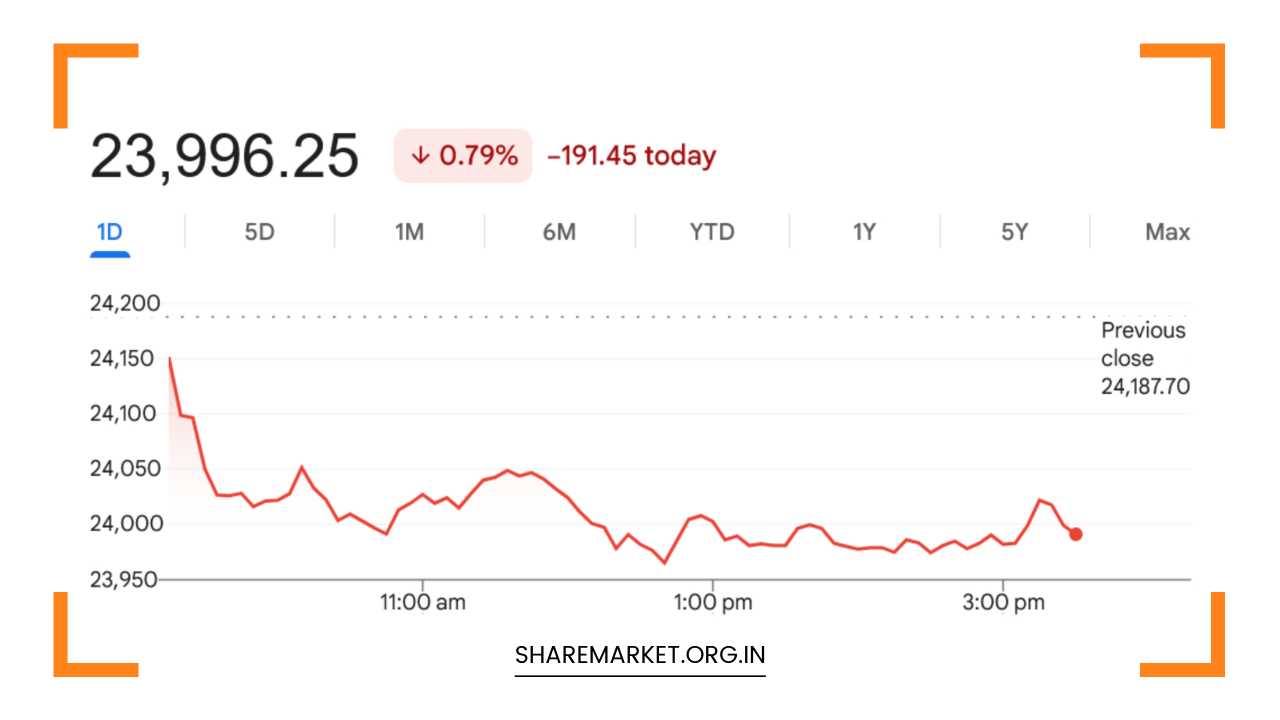
The NSE Nifty 50 dropped 191.45 points (or 0.79%) to breach the crucial psychological milestone, settling below the 24,000 mark at 23,996.25.
-
Market Breadth was intensely skewed toward the bears: 2,616 stocks declined, while only 1,443 advanced, and 170 remained unchanged.
-
Broader Markets suffered even heavier collateral damage. The Nifty Midcap index slipped by 1%, and the Smallcap index retreated sharply by 1.5%.
Key Catalysts Driving the Market Correction
1. The Crude Oil Shock & Geopolitical Escalation
The primary catalyst behind the broad-based sell-off was the fresh escalation in the conflict between the United States and Iran. Persistent disruptions caused by Houthi groups on vital maritime trade routes raised genuine alarm bells regarding global oil supplies. Consequently, global benchmark Brent crude surged past $92–$95 per barrel.
For an import-dependent economy like India, higher crude prices spell immediate trouble: they inflate the import bill, widen the current account deficit, pressure the domestic currency (the rupee), and stoke fears of imported inflation.
2. US Tariff Anxieties on Pharmaceutical Exports
Adding salt to domestic wounds, market sentiment took a hit following announcements regarding international trade policy. Reports indicated renewed anxiety surrounding potential sweeping US tariffs on generic drug imports—proposing steep structures starting in coming years. Because India is a leading exporter of generic pharmaceuticals to the United States, major domestic pharma names faced aggressive profit-booking and heavy institutional selling.
3. Inflation Fears Overriding Corporate Earnings
While the ongoing Q1 financial earnings season kicked off with several encouraging business updates and solid results from select large-caps, the macro landscape completely overshadowed micro-level triumphs. Persistent domestic inflation worries combined with global friction meant that investors preferred booking profits rather than building aggressive long positions.
Sectoral Performance Deep Dive
Sectoral trends mirrored the pervasive risk-off psychology, with almost all major indices ending in negative territory, save for isolated defensive out-performers:
| Sector Index | Performance (%) | Market Implication |
| Nifty FMCG | +0.65% | Acted as a safe haven; supported by stellar earnings from major consumer companies. |
| Nifty Auto | +0.18% | Showed relative resilience backed by robust quarterly update numbers. |
| Nifty Energy | -0.30% | Mixed performance despite oil tailwinds, constrained by broader selling in select heavyweights. |
| Nifty Metal | -0.48% | Weighed down by cautious global commodity cycles and general risk aversion. |
| Nifty Infrastructure | -0.85% | Tracked broader market consolidation and industrial caution. |
| Nifty Consumer Durables | -0.86% | Rate-sensitive discretionary basket faced heavy selling pressure. |
| Nifty IT | -1.50% | Dragged down by shifting global tech sentiment and valuation concerns. |
| Nifty Bank & Private Bank | -1.2% to -1.4% | Financials faced institutional profit-booking, breaking crucial short-term moving averages. |
| Nifty Pharma | -1.30% | Deeply impacted by US tariff policy anxieties affecting export-heavy portfolios. |
| Nifty PSU Bank | -1.80% | Public sector lenders succumbed to aggressive liquidation. |
| Nifty Realty & Media | -2.60% to -2.68% | Worst-hit segments as high-beta, rate-sensitive growth plays saw massive capital outflows. |
Expert Technical Perspectives
Nifty 50 Outlook
-
Vinod Nair (Geojit Investments) highlights that while structural growth elements and Q1 results remain fundamentally sound, macro elements like crude spikes and currency depreciation dictate near-term caution.
-
Ryank Arora (Hedged.in) notes that falling below the psychological 24,000 threshold exposes short-term vulnerability. Immediate support rests between 23,950 and 23,900, with a more formidable cushion at 23,800. Overhead resistance is stacked tightly at 24,100–24,200.
-
Rupak Dey (LKP Securities) points out that the daily chart’s consolidation pattern is breaking down, backed by a bearish crossover on the RSI. If Nifty drops decisively below 23,900, corrections could easily extend toward the 23,700/23,600 zone.
-
Srikant Chauhan (Kotak Securities) emphasizes that the index has slipped beneath its 20-day Simple Moving Average (SMA) of 24,100, forming a long bearish daily candle. Maintaining status below 24,100 keeps the door open for a slide toward the 50-day SMA (23,850).
Bank Nifty Outlook
-
Sudeep Shah (SBI Securities) notes a major structural breakdown for Bank Nifty. After hovering in a tight range for eight sessions, the banking index formed a large bearish candle, closing below its 20-day EMA for the first time since July 8. Immediate downside support is marked at 56,700–56,600, and a breach here could drag the index rapidly toward 56,300 and 56,000. Immediate resistance stands at 57,500–57,600.
Market Outlook and Trading Strategy for July 23rd
As Dalal Street prepares for the trading session on July 23rd, 2026, the short-term trend has clearly shifted in favor of the bears. However, extreme oversold indicators on intraday charts hint at potential technical rebound windows.
What to Expect on July 23rd:
-
Volatile Opening: Domestic cues will remain heavily dependent on overnight developments in the Middle East and the trajectory of Brent crude prices. Any cooling off in oil prices could trigger a relief rally.
-
Defensive Rotation: Investors are likely to continue sheltering in defensive sectors like FMCG and select auto majors that showcase true earnings resilience, avoiding high-beta counters until stabilization occurs.
-
Level-Based Discipline: Day traders should respect technical boundaries. Going aggressively long without confirmation is hazardous.
Actionable Strategies for Traders:
-
For Bullish/Aggressive Traders: Avoid taking large long positions in momentum or high-beta sectors (like Realty, Media, and IT). Instead, wait for a confirmed test of strong support zones (23,900–23,850 on the Nifty) to look for tactical, buy-on-dip opportunities with strict stop-losses.
-
For Bearish/Short-Term Traders: Rallies toward immediate resistance bands (24,100–24,200) should be treated as selling opportunities, provided the Nifty fails to sustain above the 20-day SMA.
-
Risk Management: Keep position sizes light. Macro-driven market environments demand strict capital preservation and adherence to stop-loss triggers over speculative guesswork.