Sensex Down 417 Points, Nifty at 23,873; Tomorrow Nifty Prediction
Market Outlook: Navigating the Fourth Consecutive Decline and Setup for September 4th
The Indian stock market completed another testing trading session on Thursday, September 3, culminating in a decline for the fourth consecutive session. While major benchmark indices faced sustained selling pressure driven by global macro headwinds, the broader market displayed remarkable resilience. As traders and investors position themselves for the trading session on Friday, September 4, market dynamics reflect a complex interplay between domestic structural strength and persistent global uncertainties.
1. Review of September 3rd Trading Session
The trading day began on an optimistic note, buoyed by positive cues from global markets and early indications of foreign institutional investor (FII) interest. However, this initial enthusiasm faded as the session progressed. Persistent overhead resistance and selling pressure in key heavyweight sectors dragged the headline indices into negative territory by the closing bell.
-
Benchmark Indices Performance:
-
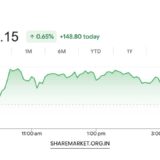
The Sensex declined by 0.55% to close at 76,152.
-
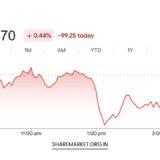
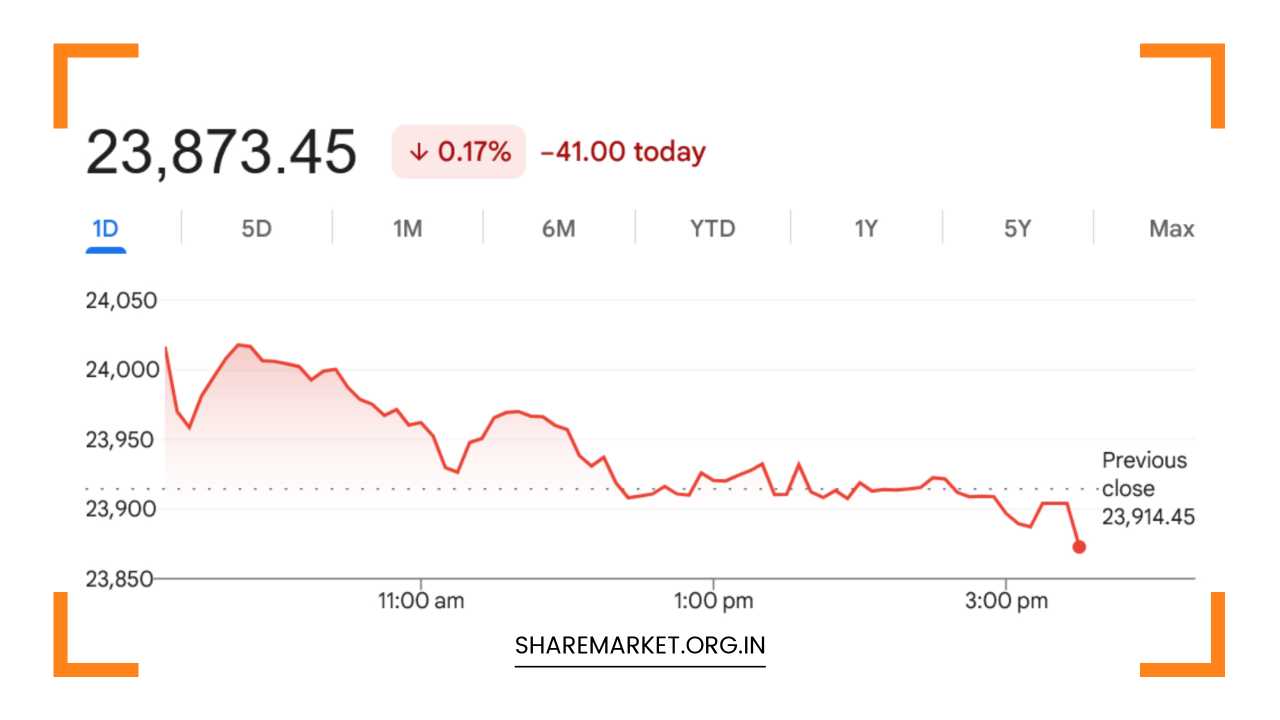
The Nifty 50 slipped 0.17% to settle at 23,873 (with intraday observations noting a close near the lower end of the day’s range).
-
-
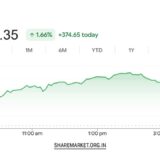
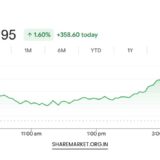
Broader Market Divergence: In stark contrast to the large-cap weakness, the broader market staged an impressive recovery. The Nifty Smallcap 100 surged by 1.40% (with commentary noting variations around 1.20%), while the Nifty Midcap 100 posted a steady gain of 0.27% to 0.37%. This divergence underscores sustained retail and domestic institutional confidence in secondary and tertiary stocks despite headline index volatility.
2. Sectoral Trends and Market Breadth
Sectoral performance on September 3rd was sharply divided, reflecting a rotation of capital away from defensive and export-oriented plays toward domestic cyclical and growth-oriented pockets.
-
Gaining Sectors: Buying interest was heavily concentrated in Realty, Media, Chemicals, and Private Banks. Energy stocks also chipped in with resilient performances, supported by selective institutional accumulation.
-
Losing Sectors: Conversely, heavy selling pressure weighed down Information Technology (IT), Fast Moving Consumer Goods (FMCG), Auto, and Pharmaceuticals. The weakness in IT and FMCG was largely attributed to global growth anxieties and cautious earnings visibility.
3. Expert Insights and Macroeconomic Perspectives
Geopolitical Tensions and Global Yields
Vinod Nair, Head of Research at Geojit Investments, points out that the market’s repeated attempts to stage a recovery have been repeatedly thwarted. Despite fresh FII inflows and a generally positive global backdrop, the cumulative weight of long-standing geopolitical tensions and fluctuating global bond yields continues to cap upward momentum. Nair highlights that while banking, realty, and domestic small-cap enthusiasm reflect underlying faith in India’s long-term growth story, persistently high crude oil prices remain a major thorn in the side of domestic asset allocators. Near-term direction will heavily rely on shifting international macro winds.
Expiry Day Volatility and Institutional Support
Ajit Mishra, SVP Research at Religare Broking, noted that the weekly expiry session saw the Nifty squander its gap-up opening gains. While positive global triggers and the Reserve Bank of India’s (RBI) higher-than-expected FCNR deposit rollover provided early cushioning, investors chose to book profits or trim exposure due to lingering macro uncertainties. Mishra emphasizes that risk appetite remains fragile, keeping a tight lid on aggressive long positions.
Currency Pressure and Institutional Balances
Abhinav Tiwari, Research Analyst at Bonanza, underscores the critical role of crude oil pricing and broader macroeconomic data points. If imported inflation pressures mount, foreign exchange dynamics could place additional depreciation pressure on the Indian Rupee, compounding caution. Conversely, steady domestic institutional investments (DIIs) and robust domestic consumption metrics continue to act as a structural safety net.
4. Technical Analysis and Key Levels for September 4th
From a charting perspective, the technical setup has turned increasingly defensive following four consecutive losing sessions.
-
Candlestick Patterns: Rupak Dey, Senior Technical Analyst at LKP Securities, highlights the formation of a ‘Dark Cloud Cover’ candlestick pattern on the daily timeframe. This pattern typically signals persistent near-term weakness and a reluctance among buyers to aggressively support higher levels. Furthermore, the index faced sharp rejection near the lower band of its prevailing rising channel.
-
Support Zones:
-
The immediate short-term support lies firmly in the 23,800–23,850 zone.
-
If the Nifty fails to defend this crucial threshold, increased selling could accelerate a descent toward the 23,600–23,730 demand zone.
-
-
Resistance Zones:
-
Immediate overhead resistance is pegged at the 24,000 psychological mark.
-
For the broader bearish trend to reverse and sentiment to turn decisively bullish, the Nifty must sustain multiple closing sessions above the 24,000–24,150 resistance band.
-
5. Strategic Outlook for September 4th: How It Might Play Out
As the market heads into the final trading session of the week on September 4th, participants should prepare for continued chop and range-bound volatility.
Trading Strategy Note: Given the formation of the Dark Cloud Cover pattern, high crude oil prices, and weak near-term momentum, chasing breakouts is ill-advised. A disciplined, stock-specific approach paired with rigorous risk management is vital.
-
If the Bulls Step In: Watch for early stability around the 23,800 support level. A defensive bounce could occur if global indices stabilize overnight, allowing midcaps and smallcaps to extend their outperformance. However, any sharp up-move toward 24,000 will likely attract profit-booking.
-
If the Bears Maintain Control: A breach below 23,800 at the opening bell could trigger automated stop-losses, bringing the 23,700 handle into immediate focus. Investors are advised to avoid aggressive leverage, focus on fundamentally strong domestic sectors (such as private financials and realty), and remain cautious on export-heavy or rate-sensitive giants until a clearer trend reversal emerges.