Safecure Services IPO Listing: Stock Lists at 23.97% Discount on BSE

Safecure Services IPO Listing: A Rocky Debut as Shares Crash 24%, Wiping Out Investor Capital
Safecure Services IPO Listing: Investors who participated in the initial public offering (IPO) of Safecure Services faced a harsh reality on the listing day, as the security and facility management company made a disappointing debut on the BSE SME platform. Instead of rewarding early investors with listing gains, the stock opened at a 20% discount to its issue price and continued to slide further throughout the trading session.
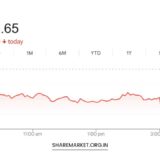
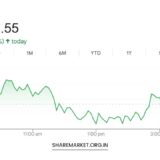
Safecure Services had priced its IPO shares at ₹102 per share, but when the stock hit the market, it opened sharply lower at ₹81.60. This immediately erased any hopes of a profitable debut for investors. For those who had applied for one lot (1,200 shares), the value of their investment fell by ₹24,480 right at the opening bell.
As trading progressed, sentiment worsened. The stock quickly hit the lower circuit of ₹77.55, marking a fall of 23.97% from its issue price. It remained stuck at that level till the end of the day, offering no opportunity for recovery. By market close, the investors who had hoped for a solid listing gain found themselves nursing losses of nearly a quarter of their capital on the very first day.
Muted Investor Response and Retail-Heavy Participation
The disappointing debut was not entirely unexpected, given the muted investor sentiment during the IPO subscription phase. Safecure Services launched its ₹30.60 crore IPO between October 9 and October 31, aiming to attract investors with its growth story in the security and facility management sector.
However, the subscription numbers painted a mixed picture. The overall IPO was subscribed just 1.81 times, indicating limited enthusiasm from market participants. Notably, the Non-Institutional Investor (NII) category, which includes high-net-worth individuals, saw only 32% subscription—a clear sign that experienced investors were wary of the valuation or market conditions.
In contrast, the retail investor segment—often more optimistic and less risk-averse—was subscribed 3.31 times. This heavy reliance on retail participation suggests that the IPO lacked strong institutional backing, which often plays a key role in stabilizing stock prices post-listing.
Under the offering, the company issued 3 million new equity shares with a face value of ₹10 each. The relatively small issue size and subdued institutional participation made the stock vulnerable to selling pressure once it hit the market.
Utilization of IPO Proceeds
According to the company’s prospectus, the funds raised through the IPO are earmarked for several purposes intended to strengthen Safecure’s balance sheet and support its operational expansion.
- Debt Reduction: ₹4.75 crore will be utilized to reduce the company’s outstanding borrowings, thereby improving its debt-to-equity ratio and lowering interest expenses.
- Loan to Subsidiary: ₹3.50 crore will be provided as a loan to a subsidiary company, which may help in expanding its operational footprint or investing in technology upgrades.
- Working Capital Requirements: The largest portion—₹13 crore—will go toward meeting the company’s growing working capital needs. This allocation reflects the company’s focus on scaling its services and managing increased operational demand.
- General Corporate Purposes: The remaining funds will be used for routine business activities, administrative costs, and future growth opportunities.
While these allocations appear strategically sound, investors may have questioned whether the IPO pricing fully reflected the company’s risk profile and competitive position in a crowded industry.
About Safecure Services
Founded in 2012, Safecure Services has built its presence in India’s fast-growing private security and facility management sector. The company offers a diverse portfolio of services, including security guarding, event management, e-surveillance, and facility management, catering to clients across industries.
It also provides corporate interior fit-out services and repair and maintenance work, expanding beyond traditional security roles to become an integrated facilities solutions provider. One of its notable service segments is e-surveillance for ATMs and bank branches, where Safecure provides round-the-clock monitoring and response solutions—an area seeing rapid adoption across financial institutions.
The company is headquartered in Mira Road, Thane (Maharashtra), and operates through 12 offices across various districts in India, enabling it to service clients nationwide.
Financial Performance: Consistent Growth but Rising Leverage
On the financial front, Safecure Services has shown consistent growth over the past few years. Its revenue and profitability have both been on an upward trajectory:
- FY 2023: Net profit stood at ₹3.98 crore.
- FY 2024: Net profit rose to ₹5.69 crore.
- FY 2025: Net profit increased further to ₹6.16 crore.
During this period, the company’s total income grew at a compound annual growth rate (CAGR) exceeding 23%, reaching ₹73.27 crore in FY 2025.
In the first quarter (April–June) of FY 2026, the company reported a net profit of ₹1.99 crore on a total income of ₹18.36 crore, suggesting continued operational momentum.
However, the company’s balance sheet reveals certain risks. As of June 2025, Safecure carried a total debt of ₹19.52 crore, offset by reserves and surplus of ₹16.17 crore. While not alarming, this indicates a moderate level of leverage—something that could concern investors during uncertain market conditions.
Why Did the Stock Fall So Sharply?
Several factors likely contributed to Safecure’s poor listing performance:
- Overvaluation Concerns: Despite its growth, the valuation multiple appeared steep compared to other listed SME security service companies, which may have discouraged institutional participation.
- Weak Broader Market Sentiment: The SME segment has seen increased volatility in recent months, with investors becoming cautious about small-cap IPOs following a few overhyped listings that underperformed.
- Low Institutional Backing: The low NII and institutional subscription reduced post-listing demand, leaving retail investors vulnerable to selling pressure.
- Profit Booking and Panic Selling: Early selling by a section of retail investors who received allotments could have triggered a chain reaction, driving the price to the lower circuit.
Outlook: Can Safecure Recover?
While the listing-day loss is discouraging, the long-term outlook for Safecure Services depends on its ability to execute growth plans, manage debt, and sustain profitability. The company operates in a sector with steady demand, driven by increasing corporate outsourcing of security and facility management services.
If the company utilizes its IPO proceeds effectively—especially to reduce debt and improve working capital—it could stabilize its financials and rebuild investor confidence. However, much will depend on upcoming quarterly results and how the management communicates its growth strategy to the market.
For now, the IPO has left investors disappointed, serving as yet another reminder that in the SME market, valuation discipline and investor sentiment play a crucial role in determining listing outcomes.
In summary, Safecure Services’ IPO debut underscores the challenges facing smaller companies seeking public funds in volatile market conditions. Despite steady financial growth, its weak listing highlights the growing disconnect between company fundamentals and investor expectations—a lesson that both issuers and investors would do well to remember.