Sensex Gain 1,109 Points, Nifty at 22,721; Tomorrow Nifty Prediction
Comprehensive Market Outlook: Indian Equity Indices Rebound and Technical Analysis for October 14
Indian equity markets experienced a stellar session, registering broad-based gains driven by strong performance in the technology sector, positive macroeconomic indicators, and easing macroeconomic concerns. As market participants look ahead to the trading session on October 14, investor focus remains squarely on corporate earnings momentum, key technical support and resistance zones, and evolving global macroeconomic triggers.
Navigating these market conditions requires a structured understanding of domestic fundamentals, structural policy shifts, and disciplined technical risk management.
1. Market Recap: Broad-Based Rally on October 13
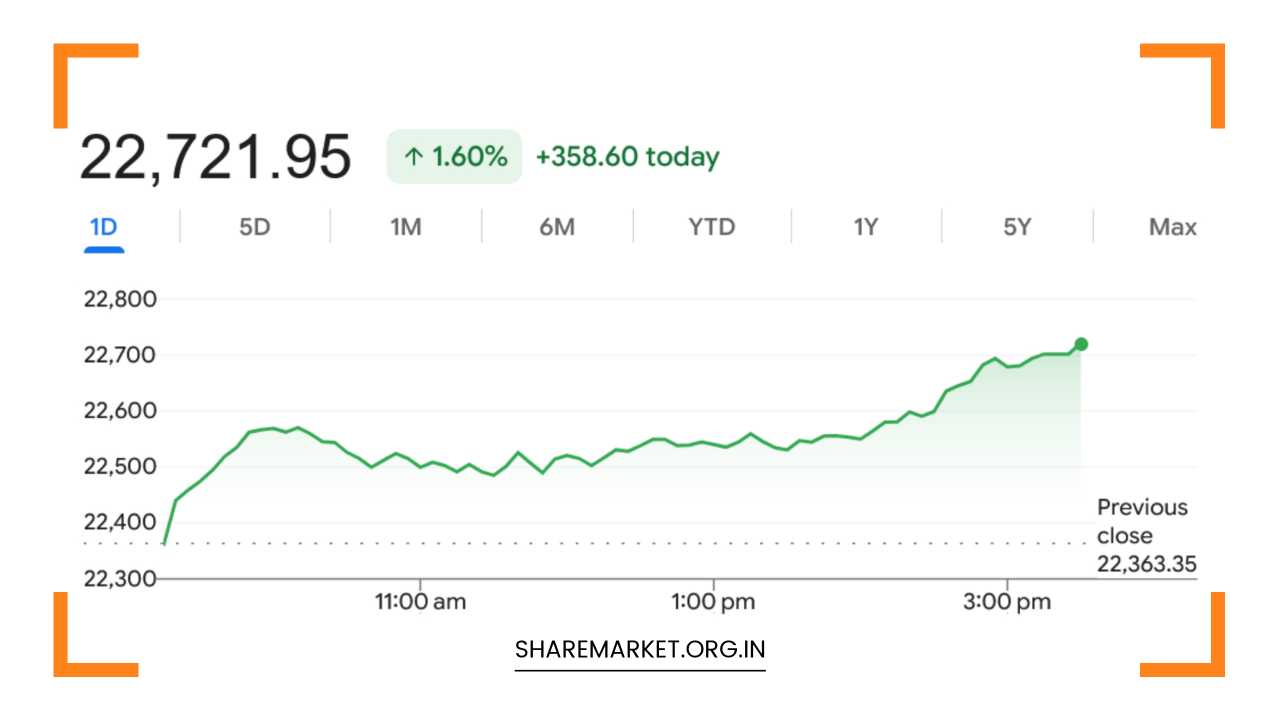
On October 13, Indian benchmark indices staged an impressive recovery, with the Nifty 50 comfortably reclaiming and closing above the psychological 22,700 threshold, reflecting renewed institutional buying interest after previous weeks of cautious consolidation.
-
Sensex Performance: Surged by 1,109.10 points (or 1.54%) to close at 73,033.78, reflecting strong momentum among large-cap index heavyweights.
-
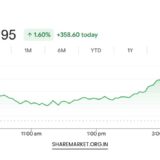
Nifty 50 Performance: Advanced by 358.60 points (or 1.60%) to finish at 22,721.95, successfully breaking past immediate overhead barriers during the intraday session.
-
Market Breadth: The broader market sentiment clearly favored the bulls. Approximately 2,303 stocks advanced, 1,711 declined, and 162 remained unchanged, signaling healthy, widespread participation across various market capitalizations rather than isolated index manipulation.
Sectoral Performance Breakdown
Except for energy and pharma, which faced localized profit-booking and heightened commodity-driven volatility, all major sectoral indices closed firmly in the green:
-
Information Technology (IT): Outperformed significantly, surging by an impressive 5% following better-than-expected early quarterly earnings reports and positive guidance from bellwether firms.
-
Cyclicals & Defensives: Metal, PSU Bank, Auto, Consumer Durables, and Realty indices each posted solid, uniform gains of 1%, highlighting a healthy appetite for cyclical risk.
-
Broader Markets: The Nifty Midcap index advanced by 0.7%, while the Nifty Smallcap index recorded a modest gain of 0.2%, showing slightly more measured participation in lower-tier stocks compared to frontline indices.
Top Gainers and Losers
-
Nifty Top Gainers: HCL Technologies, TCS, Shriram Finance, Tech Mahindra, and Infosys dominated the leaderboards, directly lifted by the IT sector rally and strong financial sector sentiment.
-
Nifty Top Losers: Eternal, Kotak Mahindra Bank, Max Healthcare, Power Grid Corp, and Maruti Suzuki faced intermittent selling pressure and profit-booking.
2. Expert Insights: Macro Drivers and Sentiment Shifting
Market veterans and research heads have weighed in on the underlying dynamics supporting this sharp recovery, pointing to a mix of corporate earnings, fiscal policy discussions, and global macroeconomic forecasts.
Vinod Nair (Head of Research, Geojit Investments)
Nair highlights that the domestic market’s stellar run was primarily anchored by technology companies reporting better-than-expected earnings. This performance has instilled renewed confidence in corporate profit growth, heavily supporting large-cap index heavyweights that carry significant weightage in the benchmarks.
-
Macro Tailwinds: Stabilization in the domestic currency (rupee) and declining bond yields have eased broader financial conditions, pivoting investor attention back toward financial stocks and interest-sensitive sectors.
-
Macro Headwinds: Inflation hovering near the upper boundary of the Reserve Bank of India’s (RBI) tolerance band, combined with ongoing geopolitical uncertainties, continues to introduce volatility—particularly in the energy markets. Consequently, policymakers are expected to maintain a cautious stance on macroeconomic stability, which could cap runaway gains and keep markets relatively range-bound in the near term.
Siddhartha Khemka (Head of Research, Wealth Management, Motilal Oswal Financial Services)
Khemka points to structural policy sentiment as a key driver. Market confidence received a boost following statements from Finance Minister Nirmala Sitharaman indicating the government’s openness to stakeholder consultations regarding the rationalization or removal of the Long-Term Capital Gains (LTCG) tax.
-
Growth Outlook: Further bolstering domestic sentiment, the International Monetary Fund (IMF) recently upgraded India’s FY27 GDP growth forecast from 6.4% to 7%, cementing confidence in robust domestic demand. While no formal tax policy proposal has been tabled yet, the prospect of investor-friendly reforms has buoyed institutional and retail participation. Corporate earnings will remain the ultimate fundamental anchor for individual stock trajectories.
3. Technical Outlook: Key Levels for Nifty on October 14
Providing a technical roadmap for the trading session on October 14, Sudeep Shah, Head of Technical and Derivatives Research at SBI Securities, outlines critical price boundaries for the Nifty 50:
-
Upside Resistance Zone (22,830 – 22,850): This band serves as the immediate hurdle for the index. If the Nifty successfully breaches and sustains above 22,850, it will invalidate overhead supply constraints, strengthen the ongoing pullback rally, and pave a clear path toward the 23,000 milestone.
-
Downside Support Zone (22,550 – 22,580): On the correction side, this range acts as a critical cushion. As long as the Nifty holds above this support band, the prevailing bullish pullback trend remains intact.
4. Strategic Portfolio Management Framework for Volatile Markets
When positioning a portfolio during periods of technical pullbacks, shifting macroeconomic indicators, and evolving regulatory dialogues, maintaining a disciplined asset allocation and risk management strategy is essential.
-
Core-Satellite Asset Allocation: Maintain a resilient core portfolio composed of stable large-cap equities—such as leading IT services providers and fundamentally sound banking institutions—while allocating a smaller satellite portion to tactical midcap and smallcap opportunities that demonstrate high relative strength.
-
Risk Management Around Key Technical Levels: Respect technical price boundaries. Avoid aggressive, leveraged positioning when indices approach structural resistance zones like the 22,830–22,850 range, as profit booking or consolidation is statistically more frequent in these areas.
-
Fundamental Earnings Focus: Prioritize companies with clean balance sheets, predictable cash flows, and strong earnings visibility over speculative momentum plays. Corporate earnings remain the ultimate fundamental driver of long-term wealth creation.
Disclaimer: This analysis is provided for informational and educational purposes only and does not constitute formal financial, investment, or tax advice. Market investments are subject to market risks; consult a qualified financial professional before making investment decisions.