Sensex Down 561 Points, Nifty at 24,052; Tomorrow Nifty Prediction
Sensex and Nifty Close in the Red: Here’s What to Expect from the Market on July 15
Indian benchmark indices suffered a notable setback on July 14, as escalating geopolitical tensions and macroeconomic headwinds forced investors into a risk-off mode. The Nifty 50 surrendered the psychologically crucial 24,100 mark, while the BSE Sensex plummeted by over 560 points.
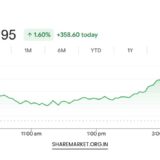
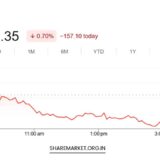
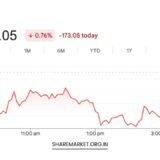
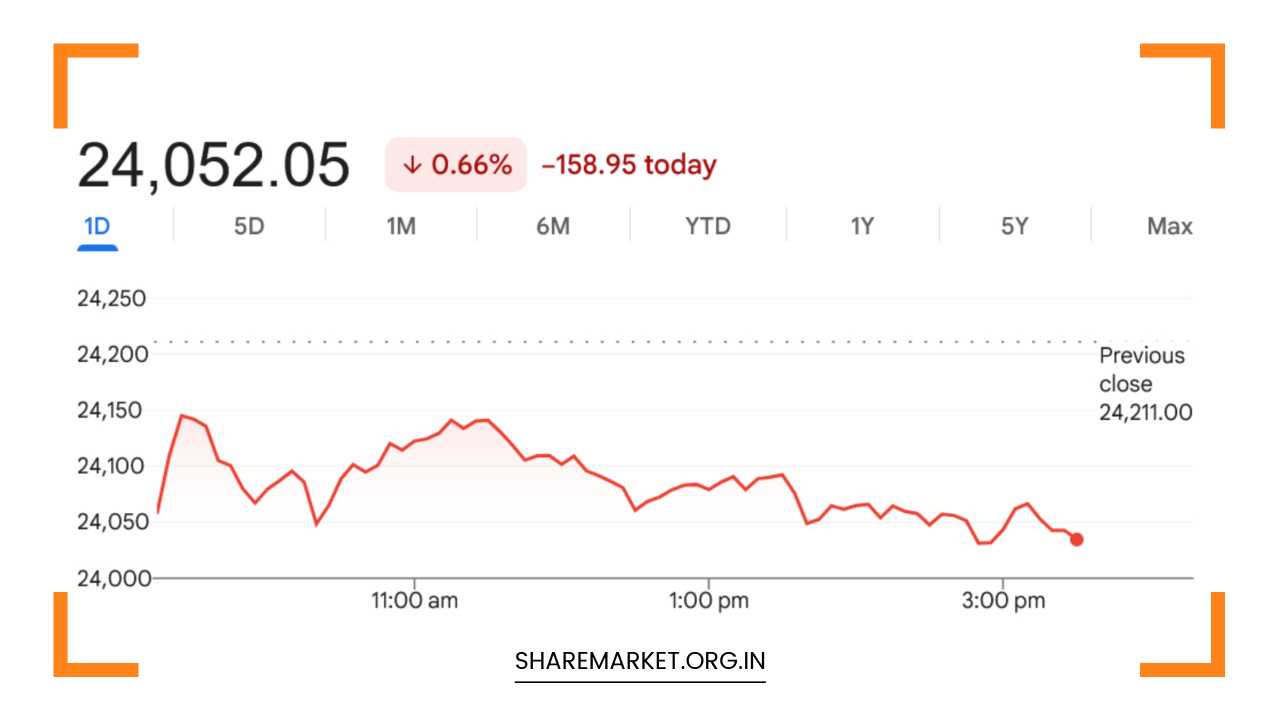
By the closing bell, the Sensex stood at 77,054.94, down 561.46 points or 0.72%, while the Nifty 50 settled at 24,052.05, shedding 158.95 points or 0.66%.
The broader market reflected widespread weakness, with the market breadth heavily tilted in favor of the bears. Across the exchanges, 1,422 stocks managed to advance, while a staggering 2,632 stocks declined, and 190 remained unchanged. The volatility index ticked higher, signaling growing anxiety among market participants ahead of the July 15 trading session.
Winners and Losers: Defensive Pivot in Play
The domestic market witnessed a stark divergence between cyclical sectors and defensive plays. As uncertainty loomed, investors aggressively rotated capital out of high-beta sectors and into safe havens like pharmaceuticals.
Top Gainers
-
Bharti Airtel: Led the gainers’ chart, supported by defensive positioning and stable long-term revenue visibility.
-
Apollo Hospitals & Sun Pharma: Attracted strong buying interest as risk-averse investors sought refuge in healthcare.
-
TCS: Managed to buck the broader IT sell-off on the back of institutional buying.
-
Dr. Reddy’s Laboratories: Added to the pharmaceutical sector’s gains, closing firmly in the green.
Top Losers
-
HCL Technologies: Faced severe selling pressure, leading the decline in the IT pack.
-
Shriram Finance & HDFC Life: Dragged the financial space down due to concerns over rising cost of funds.
-
Tata Motors: Suffered from global supply chain fears and a broader correction in the automobile space.
-
InterGlobe Aviation (IndiGo): Hit hard by surging global crude oil prices, which threaten to squeeze airline margins.
Sectoral Performance: Broad-Based Selling Pressures
Sectoral indices painted a grim picture, with almost all major cyclical and growth sectors closing deeply in the red.
| Sectoral Index | Percentage Change |
| Nifty Realty | -2.00% |
| Nifty PSU Bank | -1.80% |
| Nifty Auto | -1.60% |
| Nifty Bank | -1.10% |
| Nifty IT | -1.00% |
| Nifty Private Bank | -0.80% |
| Nifty Oil & Gas | -0.60% |
| Nifty FMCG | -0.60% |
| Nifty Pharma | +1.00% |
| Nifty Metal | +0.60% |
The Nifty Realty index was the worst hit, plunging 2% as fears of sticky inflation and sustained high interest rates dampened real estate demand sentiment. PSU Banks and Auto stocks followed closely, shedding 1.8% and 1.6% respectively.
The Nifty Midcap 100 fell 0.4%, while the Nifty Smallcap 100 dropped a steep 1%, indicating that the pain was not restricted to benchmarks but had deeply permeated broader market segments.
Macro Headwinds: Crude Volatility and a Weakening Rupee
The primary triggers behind the sudden market downturn are rooted in global geopolitics and currency markets.
Crude Oil Volatility
Escalating tensions in West Asia—particularly renewed friction between the US and Iran and threats to maritime transit through the critical Strait of Hormuz—have pushed global crude oil prices higher.
“Crude oil prices have surged due to escalating tensions in West Asia, putting renewed pressure on domestic equities. This has sparked fears that disruptions in global energy supplies could further slow the recovery of corporate earnings in India,” notes Vinod Nair, Head of Research at Geojit Financial Services.
Currency Depreciation and Imported Inflation
Compounding the equity market’s woes is the historic pressure on the domestic currency, with the Indian Rupee breaching the 96-mark against the US Dollar. A weaker rupee directly impacts India’s import-heavy economy, raising the cost of crude oil, electronic components, and raw materials. This creates a dual threat of imported inflation and squeezed corporate profit margins, particularly for inflation-sensitive sectors like autos and FMCG.
Ankur Punj, MD and Business Head at Equirus Wealth, notes:
“Heavy selling in banking, IT, automobile, and realty stocks—driven by weak global cues, surging crude oil prices, and a sharp depreciation of the domestic currency—has caused benchmark indices to fall. With fresh selling by FIIs in domestic equities, investors are likely to exercise caution and bet only on select stocks.”
Technical Outlook for July 15
Nifty 50 Analysis
From a technical standpoint, the Nifty 50 opened with a gap-down due to the NSE weekly options expiry dynamics but spent the rest of the day in a consolidated, range-bound manner.
Rupak De, Senior Technical Analyst at LKP Securities, points out that despite the intraday weakness, the index managed to find support near the previous day’s low and held above its declining trendline. Crucially, the Nifty stayed above its 50-day Exponential Moving Average (EMA), indicating that the structural bull run isn’t entirely broken.
-
The Bullish View: As long as the Nifty stays above the vital support level of 23,950, the short-term outlook remains cautiously positive. A rebound from current levels could push the index back toward the 24,250 to 24,300 resistance zone.
-
The Bearish View: A decisive daily close below 23,950 will invalidate the current bullish setup. This could trigger a deeper correction, opening the doors toward 23,600 and forcing the market into a prolonged consolidation phase.
Bank Nifty Analysis
The banking sector exhibits a weaker technical structure than the headline Nifty. The Bank Nifty index formed a distinct ‘bearish candlestick pattern’ on the daily chart, confirming that bears are selling into every temporary bounce.
Vatsal Bhuva, Technical Analyst at LKP Securities, observes that the index closed uncomfortably close to its 200-day moving average, making this specific zone a line in the sand for institutional traders. Furthermore, the Relative Strength Index (RSI) has mapped out a ‘lower top’ formation, confirming a sharp loss of upward momentum.
-
Immediate Support: 56,800 to 56,900 zone. A breach here could accelerate panic selling.
-
Immediate Resistance: 58,200. The index must clear this hurdle to restore buyer confidence.
What to Expect on July 15: Key Market Drivers
As traders prepare for the July 15 session, volatility is expected to remain elevated. The market’s direction will be dictated by three pivotal factors:
Geopolitical Headlines
Any further escalation or diplomatic de-escalation in the US-Iran friction will immediately impact crude prices. If Brent crude continues its upward trajectory, equity indices will face sustained downward pressure.
The Fed Factor
Global markets are awaiting commentary from the US Federal Reserve Chair. Any hints regarding the future trajectory of global interest rates and inflation management will heavily guide foreign portfolio flows. Continuous FII outflows have kept domestic sentiment cautious, and a hawkish stance from the Fed could accelerate this exodus.
Earnings Season Cushion
On the bright side, the Q1FY27 corporate earnings season is progressing on a relatively healthy note. While strong corporate balance sheets provide a fundamental cushion to the market, the near-term narrative remains hostage to global macro risks.
Investors are advised to avoid aggressive leveraged positions, maintain high cash levels, and focus on high-quality defensive sectors like Pharma and consumption utilities for the July 15 session.
Given the delicate balance between strong Q1 corporate earnings and heavy geopolitical pressure, are you looking to rebalance your portfolio toward defensives, or are you eyeing specific technical entry points for a short-term trade?