Sensex Down 989 Points, Nifty at 25,607; Tomorrow Nifty Prediction
Market Outlook: Indian Equity Indices Close on a Weak Note Amid Global Headwinds; What to Expect on November 30
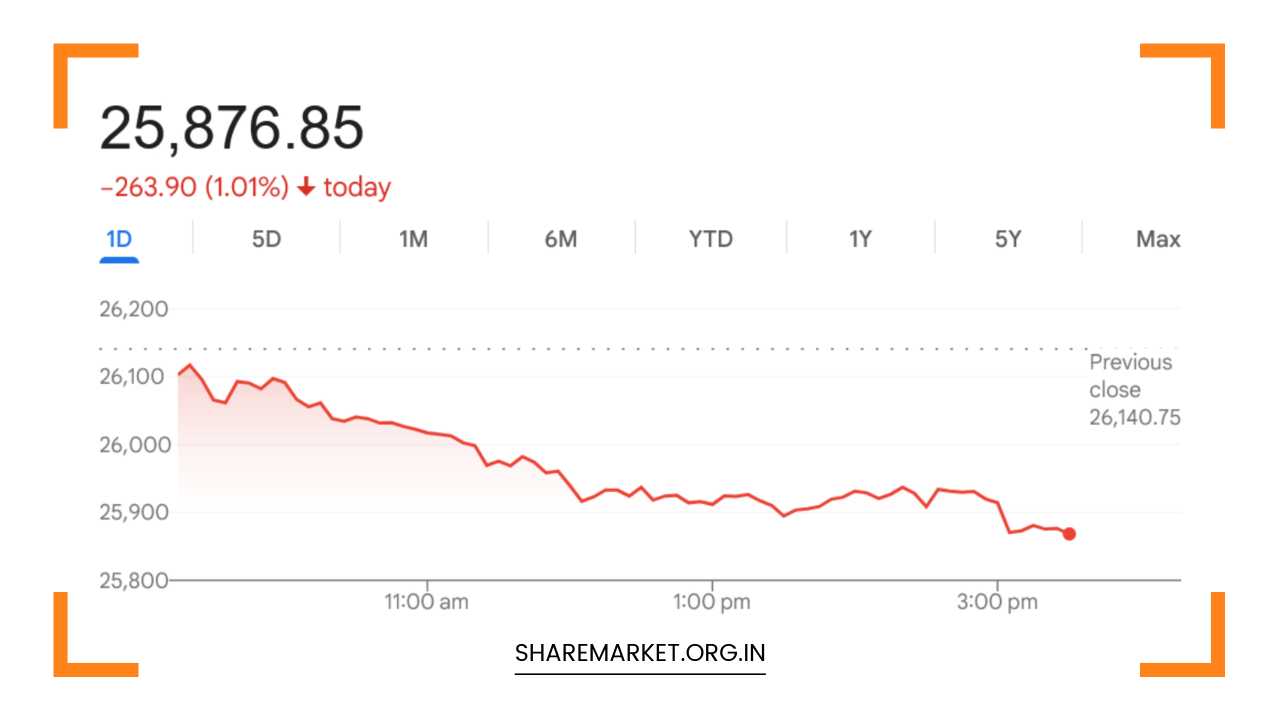
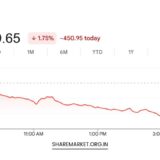
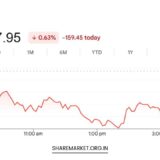
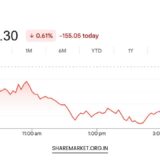
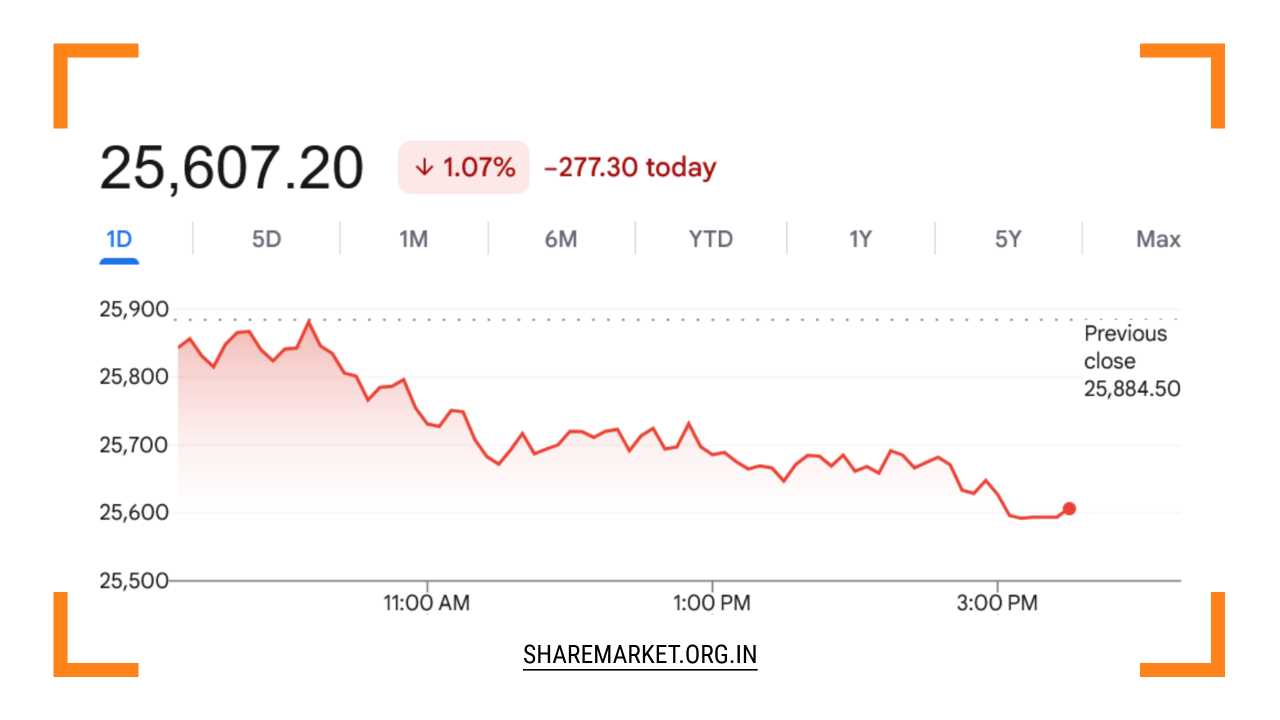
Indian benchmark equity indices snapped their two-session winning streak on Friday, November 27, 2026, closing sharply lower as renewed geopolitical tensions in the Middle East, surging crude oil prices, and a weakening rupee prompted investors to lock in profits across index heavyweights. By the closing bell, the 30-share BSE Sensex tumbled 989.33 points, or 1.17%, to settle at 83,339.26. Similarly, the broader NSE Nifty 50 declined 277.30 points, or 1.07%, to close at 25,607.20—hovering just above the psychologically important 25,600 mark.
Despite the steep headline losses in frontline gauges, the underlying market breadth remained notably resilient. On the exchange, advancing shares outnumbered declining ones, with approximately 2,310 stocks ending in the green compared to 1,704 losers and 180 unchanged counters. This divergence underscored a clear rotation in investor appetite away from richly valued large-cap exporters and rate-sensitive financials toward domestically focused mid-cap and small-cap opportunities.
Key Movers and Sectoral Performance
Selling pressure was concentrated in information technology, banking, and automobile heavyweights following a strong two-day rebound. Among the major Nifty laggards, Shriram Finance led the decline with a drop of nearly 4%, followed by Bajaj Auto (-3.36%), HCL Technologies (-3.03%), Infosys (-2.68%), and Tata Consultancy Services (-2.57%). Major private banking counters, including ICICI Bank, HDFC Bank, and Axis Bank, also weighed heavily on the benchmark indices.
Conversely, selective buying lifted pockets of metals, defense, and consumer discretionary stocks. Top Nifty gainers included Bharat Electronics Ltd (BEL), which climbed 1.72%, alongside JSW Steel (+1.40%), Titan Company (+0.95%), Hindalco Industries (+0.82%), and SBI Life Insurance (+0.74%).
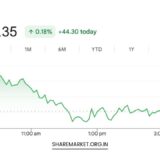
On the sectoral front, the Nifty IT index bore the brunt of profit-booking, falling 1.88% after having surged sharply earlier in the week. The Nifty Auto index slipped roughly 1.5%, while Nifty Realty and Private Bank indices each shed between 1% and 1.4%. Outperformers included the Nifty Defence index, which rallied over 3% amid heightened geopolitical focus, and the Nifty Metal index, which gained 1.40% on firm global commodity cues. Meanwhile, the broader market defied the benchmark slump, with the Nifty Midcap 100 inching up 0.10% and the Nifty Smallcap 100 advancing 0.56%.
Macroeconomic Pressures and Market Outlook
Market strategists attribute the pullback primarily to external macro shocks rather than any structural deterioration in India’s domestic growth engine. The correction reflects the re-emergence of global risks and subsequent profit-booking in IT, banking, and auto stocks, which overshadowed steady accumulation in the broader market.
Two primary macro variables rattled sentiment during the session:
-
Surging Crude Oil: Escalating conflict in West Asia—highlighted by fresh drone and refinery attacks in the Persian Gulf—pushed Brent crude prices toward the $97–$98 per barrel zone. For a major net oil importer like India, sustained crude prices near triple digits threaten to widen the trade deficit, stoke imported inflation, and squeeze corporate operating margins.
-
Currency Depreciation: The Indian rupee came under renewed pressure against a strengthening US dollar, depreciating toward the ₹92.92 mark. A weaker currency further compounds import costs while complicating the Reserve Bank of India’s inflation management.
Alongside currency and energy headwinds, renewed uncertainty over proposed US trade tariffs on key trading partners, including India, dampened sentiment for export-oriented sectors. Amidst this volatility, investors sought refuge in safe-haven precious metals, driving gold and silver prices sharply higher on domestic commodity exchanges.
From a broader perspective, the domestic market is undergoing a natural breather following a robust four-week rally. Beyond elevated crude oil and domestic bond yields, a strong rally in Asian artificial intelligence (AI) stocks has triggered tactical capital reallocations across emerging markets. While earnings momentum may see moderate deceleration in the third quarter of FY2027 due to higher input costs and tariff overhangs, India’s structural fundamentals remain intact—anchored by strong foreign institutional inflows and expectations of 7.7% GDP growth for Q2 FY2027.
What to Expect from the Market on November 30
As Dalal Street heads into the final trading session of the month on Monday, November 30, 2026, market participants should brace for heightened intraday volatility and stock-specific action. Several key catalysts will dictate Monday’s trajectory:
-
MSCI November Index Rejig: Monday marks the effective date for the November 2026 Morgan Stanley Capital International (MSCI) Standard Index rebalancing. Life Insurance Corporation of India (LIC), Coforge, Meesho, and Adani Green Energy are scheduled to enter the Standard Index, while PI Industries will be excluded. Analysts estimate the rejig will raise India’s weight in the MSCI Emerging Markets Index to 11.7%, potentially triggering roughly $2 billion in passive foreign institutional inflows. Significant volume spikes and price swings are expected in these counters, particularly during the closing adjustment window.
-
Weekend Geopolitical and Crude Developments: Traders will closely monitor weekend headlines from the Middle East and global energy markets. Any de-escalation that cools Brent crude below $95 per barrel could spark a relief rally in rate-sensitive banks, autos, and aviation stocks. Conversely, further supply disruptions could keep risk appetite muted at the open.
-
Institutional Flow Dynamics: Foreign Institutional Investors (FIIs) have been aggressive net buyers throughout November, injecting over ₹1.45 lakh crore into Indian equities. Whether FIIs continue absorbing domestic profit-booking—alongside steady Domestic Institutional Investor (DII) support—will determine if the Nifty holds its crucial support zone.
-
Technical Levels to Watch: On the technical front, the Nifty 50 faces immediate support in the 25,500–25,550 band. A decisive breach below 25,500 could invite further downside toward 25,350. On the upside, immediate resistance is placed near 25,750–25,850, where fresh supply emerged during Friday’s session. Notably, India VIX slipped 1.48% to 16.60 despite Friday’s sell-off, signaling that options traders do not yet anticipate a disorderly breakdown.
Strategy for Investors: Analysts advise against panic selling during global-led pullbacks. Instead, investors should utilize near-term consolidation to selectively accumulate fundamentally sound companies with strong domestic earnings visibility, reasonable valuations, and insulation from global tariff and currency shocks.