Suzlon Energy Shares in Focus: Motilal Oswal, JM Financial See Rs 65 Target

Suzlon Energy: Beyond Turbines—Inside the “Suzlon 2.0” Strategy and Why Brokerages Are Bullish
Suzlon Energy, a titan of the Indian wind energy sector, is undergoing a profound metamorphosis. Following its recent ‘Investor Day’ event, the company has officially signaled its intent to evolve from a traditional wind turbine original equipment manufacturer (OEM) into a diversified, full-stack renewable energy solutions provider. This strategic pivot, branded as “Suzlon 2.0,” has reignited investor interest, with major financial institutions maintaining a strong ‘Buy’ rating on the stock.
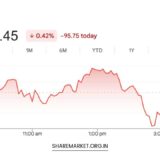
As of June 16, 2026, Suzlon’s shares are trading at ₹57.93, with leading brokerages like Motilal Oswal and JM Financial setting a target price of ₹65. This reflects a positive outlook on the company’s ability to scale operations and capitalize on the global electrification super-cycle.
The “Suzlon 2.0” Architecture: A New Growth Paradigm
The core of Suzlon’s new strategy lies in moving away from a product-centric model to a platform-centric model. The company aims to address the complexities of modern energy transition by providing integrated, “wind-first” renewable energy solutions.
1. Scaling Beyond Wind
While wind remains the cornerstone, Suzlon is actively expanding into Solar and Battery Energy Storage Systems (BESS). By integrating these technologies, the company aims to offer “dispatchable” energy—clean power that is available even when the wind isn’t blowing or the sun isn’t shining. This move is critical to securing utility-scale and commercial contracts, which increasingly demand round-the-clock reliability.
2. The DevCo (Project Development) Model
Perhaps the most significant structural change is the adoption of the ‘DevCo’ (Renewable Energy Project Development Company) model. Suzlon will now act as a project developer, handling the heavy lifting of land acquisition, securing grid connectivity, and obtaining regulatory approvals before handing over ready-to-use project sites to its clients.
This shift solves one of the renewable energy sector’s most notorious bottlenecks: project readiness. By mitigating execution risks early on, Suzlon becomes an indispensable partner for developers, moving up the value chain from a mere hardware supplier to a comprehensive project architect.
3. Strengthening the Annuity Business (AMS)
Suzlon’s Asset Management Services (AMS) is being positioned as a primary engine for long-term earnings resilience. With plans to scale its assets under management from approximately 18 GW to over 70 GW by FY31, the company is building a high-quality, recurring revenue stream that is largely insulated from the cyclical volatility of turbine sales.
Brokerage Perspectives: Why the Bullishness?
The optimism surrounding Suzlon is rooted in both the company’s historical strengths and its ambitious future targets.
-
Motilal Oswal’s View: The brokerage emphasizes the “structural upcycle” in global electricity demand. They point to Suzlon’s industry-leading localization level of 80–85%—significantly higher than the industry average of 60%—as a major hedge against global supply chain disruptions. Furthermore, with India’s wind capacity projected to exceed 100 GW by 2030, Suzlon’s established manufacturing footprint makes it a primary beneficiary of domestic policy support, such as the Approved List of Models and Manufacturers (ALMM).
-
JM Financial’s View: JM Financial highlights the potential for margin expansion through the “full-stack” approach. They believe that if the DevCo model and the expansion of the 70 GW+ AMS business are executed correctly, Suzlon’s valuation multiples could see a material improvement. The focus is squarely on execution; JM Financial notes that the company’s success will hinge on its ability to manage capital allocation discipline and work through the capital-intensive nature of the DevCo model.
Ambitious FY31 Targets at a Glance
Suzlon has laid out a roadmap of aggressive growth metrics to be achieved by the 2031 fiscal year:
| Metric | Target |
| Renewable Energy Order Book | 15 GW (up from 5.5 GW) |
| Annual RE Sales | 10 GW (up from 2.5 GW) |
| Assets Under Management (AMS) | 70 GW+ (up from 18 GW) |
| Export Order Intake | > 3 GW |
| India Market Share (Wind) | ~ 40% |
Risks and Execution Challenges: What Should Investors Watch?
While the strategy is compelling, investors must remain cognizant of the inherent risks in the renewable energy development space. Both brokerages have highlighted several areas that could pose hurdles:
-
Capital Intensity: The DevCo model is capital-intensive. Successfully managing the cash flow requirements of acquiring land and preparing project sites before a sale is finalized requires robust financial health and disciplined capital allocation.
-
Execution Bottlenecks: Land acquisition and government approvals are notoriously complex and time-consuming in India. Delays in these areas could shift project timelines and impact the expected revenue growth.
-
Grid Integration: The expansion into solar and battery storage depends heavily on grid infrastructure readiness. Any delays in the expansion of transmission networks could affect the commercial viability of projects.
-
Macroeconomic Factors: As a company with global aspirations and export targets, Suzlon is also subject to broader macroeconomic risks, including fluctuating raw material costs, interest rate cycles, and shifts in global energy policy.
Final Thoughts
Suzlon Energy’s transformation represents a clear-eyed response to the changing landscape of global energy. By pivoting toward a “full-stack” model, the company is not only diversifying its revenue but also embedding itself deeper into the lifecycle of renewable energy projects.
For the investor, the thesis is no longer just about how many turbines Suzlon can sell, but rather how effectively it can manage its vast portfolio of services, develop project-ready sites, and maintain its technological edge in an increasingly competitive market. As Suzlon embarks on this ambitious “2.0” journey, the market will be watching the quarterly execution closely—looking for signs that the company can turn its strategic vision into consistent, profitable growth.
Disclaimer: This analysis is for informational purposes and does not constitute financial advice. Investors should consult with a qualified financial advisor before making any investment decisions.