Sensex Down 492 Points, Nifty at 24,154; Tomorrow Nifty Prediction
Indian Equity Market Outlook August 19: Nifty, Sensex Levels & Analysis
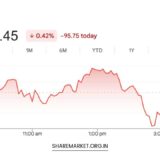
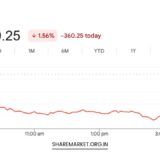
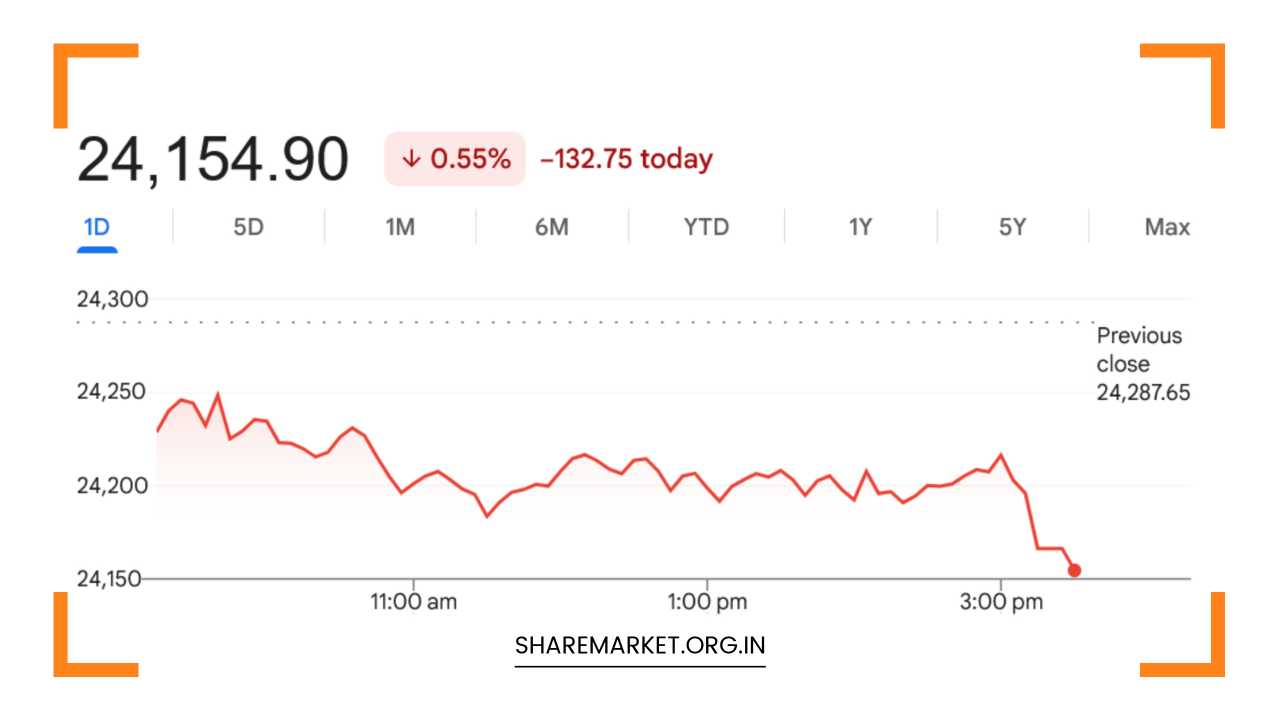
Indian equity markets experienced a notable downturn on August 18, 2026, driven by broad-based selling pressure across multiple key sectors. Benchmark indices surrendered their recent gains as profit-booking and external macroeconomic headwinds weighed heavily on investor sentiment. The BSE Sensex declined by 492.70 points, or 0.63 percent, to settle at 77,235.46. Similarly, the broader NSE Nifty retreated by 132.75 points, or 0.55 percent, closing below the psychological threshold at 24,154.90.
Market breadth reflected the cautious tone of the session. Approximately 1,860 stocks managed to advance, while 2,258 stocks declined, and 172 remained unchanged. This negative market breadth underscores the widespread nature of the selling pressure, which was not restricted to a few isolated counters but affected midcap segments as well. The Nifty Midcap index slipped by 0.4 percent, whereas the Smallcap index showed resilience by closing flat.
Sectoral Performance and Market Movers
The sectoral landscape presented a fragmented picture, with defensive and cyclical sectors moving in opposite directions. Heavy selling was concentrated in technology, financial services, consumer goods, and industrial metals.
Major Sectoral Losers
-
Nifty IT: Emerged as the worst-performing sector, plunging by 1.9 percent due to escalating global technology spending concerns and persistent US interest rate anxieties.
-
Nifty Realty: Declined by 1.4 percent, pressured by profit-booking following recent upward movements.
-
Nifty FMCG: Slipped by 0.7 percent as rising input costs and margin compression fears impacted consumer staple majors.
-
Nifty Metal: Shed 0.6 percent amid subdued global commodity cues and volatile international demand indicators.
Resilient Sectors
-
Nifty Auto: Managed to close in positive territory, supported by steady domestic volume expectations.
-
Nifty Media: Recorded modest gains amidst selective stock-specific buying.
-
Nifty Oil & Gas: Found support from firm upstream activity despite broader macroeconomic pressures on energy markets.
Top Gainers and Losers Among Nifty Constituents
| Top Gainers | Top Losers |
| Axis Bank | Asian Paints |
| Max Healthcare | Infosys |
| Grasim Industries | HCL Technologies |
| Mahindra & Mahindra (M&M) | Tata Motors Passenger Vehicles |
| Power Grid Corporation | Wipro |
Macroeconomic Factors and Expert Insights
Market participants noted that external triggers played a dominant role in steering daily price action. Vinod Nair, Head of Research at Geojit Financial Services, highlighted that crude oil price volatility exerted the most significant psychological impact on market sentiment. A risk-averse trend prevailed across domestic equities, exacerbated by rising US bond yields and fragile global cues.
Geopolitical developments also contributed to market anxiety. Hopes for a lasting resolution in the Middle East diminished following the expiration of a temporary ceasefire between the United States and Iran, stoking renewed fears of supply chain disruptions and a resurgence in global inflation. Furthermore, rising bond yields in the United States diminished the relative appeal of emerging market equities, triggering institutional outflows.
Technology stocks experienced the sharpest correction. Persistent expectations of higher-for-longer interest rates led investors to reevaluate valuations in the IT sector, fearing that global enterprises might trim their technology budgets. Although domestic fundamental drivers remain robust, analysts caution that high crude oil prices and elevated input costs could pressure recent corporate earnings upgrades, prompting a near-term defensive stance.
Technical Outlook for Benchmark Indices
Navigating the current market environment requires a close examination of technical support and resistance zones provided by industry experts.
Nifty 50 Technical Structure
Riyank Arora, Associate Vice President at Hedged.in, points out that while the index breached the 24,200 mark on the downside, the underlying market structure remains structurally sound. Traders should monitor the 24,100 to 24,050 range as an immediate support cushion, with 23,900 serving as a robust foundational support level. On the higher side, overcoming the 24,250 to 24,350 resistance band is essential to resume the upward trajectory.
Sudip Shah, Head of Technical and Derivatives Research at SBI Securities, emphasizes the significance of the 24,030 to 24,000 zone. This area aligns with the rising trendline of the prevailing upward-sloping channel. A decisive break below 24,000 could invite intense selling pressure, accelerating a descent toward 23,850. Conversely, resistance is firmly placed near the 24,280 to 24,300 range, keeping sentiment guarded until surpassed.
Rupak De, Senior Technical Analyst at LKP Securities, adds that the recent expiry of Nifty weekly option contracts amplified intraday volatility. The index slipping below its 50-day Exponential Moving Average (50EMA) for the first time in several sessions reinforces short-term caution. With the Relative Strength Index (RSI) exhibiting a bearish crossover, initial downside extension is anticipated toward the 24,050 to 24,000 band, while immediate overhead resistance stands at 24,240.
BSE Sensex Technical Analysis
The BSE Sensex mirrored the broader weakness, shedding 492 points to close at 77,235.00. Despite broad-based profit-taking, the index successfully defended its primary support corridor. Immediate support is pegged between 77,000 and 76,800. On the resistance front, hurdles are visible in the 77,500 to 77,800 zone. A sustained weekly close above this resistance band is required to reinvigorate short-term bullish momentum.
Bank Nifty Outlook
The banking benchmark experienced a range-bound session on Tuesday, continuing a pattern observed over the preceding ten trading sessions. Sudip Shah notes that Bank Nifty has oscillated within a tight band of 57,119 to 58,077, reflecting a temporary vacuum of directional catalysts.
Key moving averages have flattened due to prolonged consolidation, and momentum oscillators indicate a neutral stance. The daily RSI has remained confined within a narrow band for 29 sessions, confirming an extended consolidation phase.
Key Technical Levels for Bank Nifty
-
Immediate Resistance: The 57,500 to 57,600 zone, reinforced by the positioning of the 20-day Exponential Moving Average (EMA).
-
Immediate Support: The 56,900 to 56,800 zone, aligning closely with the 100-day Exponential Moving Average (EMA).
A definitive breakout above the upper resistance threshold or a breakdown below the lower support boundary is expected to trigger the next directional trend for the banking index.
Strategic Approach for Investors
The pullback witnessed across Indian equity indices appears to be a phase of routine profit-booking following an extended rally, rather than a structural trend reversal, provided critical support thresholds remain intact. Investors are advised to avoid aggressive short positions and instead adopt a disciplined, stock-specific accumulation strategy. Focusing on fundamentally sound businesses with strong earnings visibility during market dips, combined with strict risk management frameworks, remains the most prudent approach for navigating the August 19 trading session.