Sensex Down 876 Points, Nifty at 22,888; Nifty Prediction for October 21
Market Rally Hits a Speed Bump: What to Expect from the Sensex and Nifty on October 21
The robust momentum that characterized the Indian equity markets over the preceding two sessions abruptly lost steam, culminating in a sharp correction that caught many short-term traders off guard. On October 19, benchmark indices—the BSE Sensex and the NSE Nifty 50—witnessed a severe sell-off, dragging indices deep into the red and piercing psychologically vital technical floors.
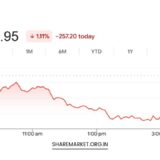
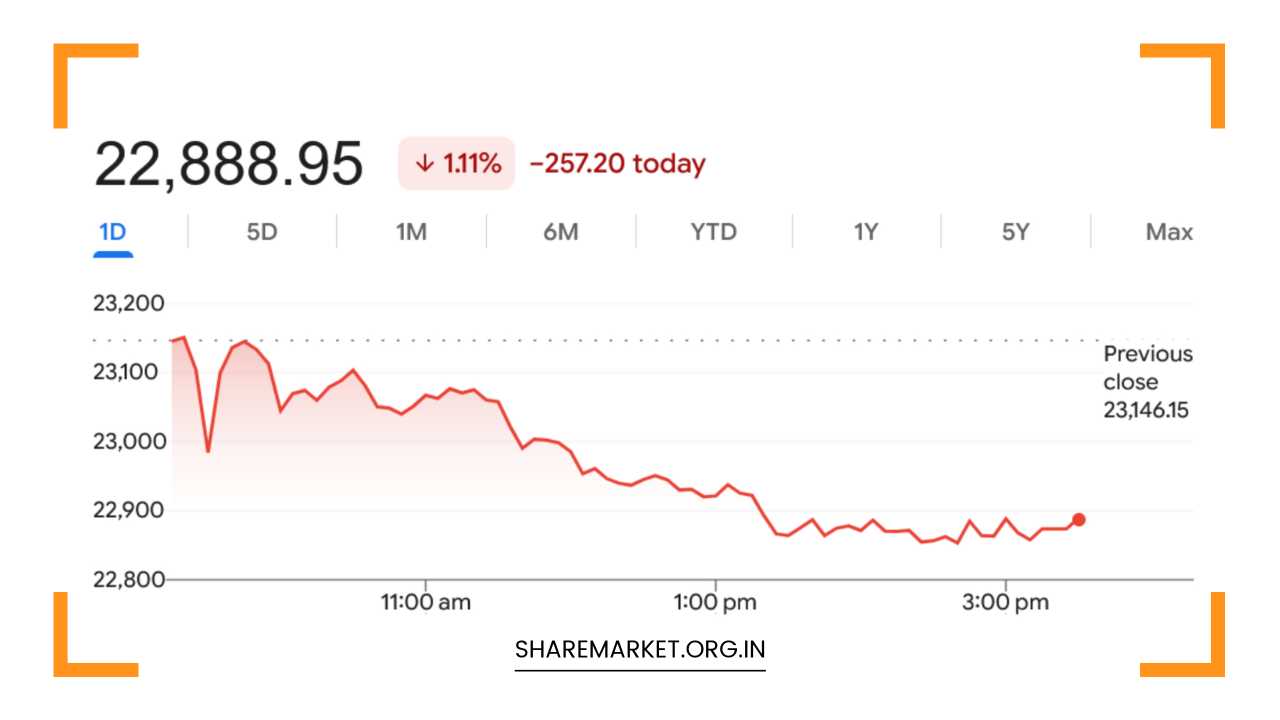
By the closing bell, the Sensex had surrendered 876.37 points, or 1.17%, to settle at 73,852.90. Simultaneously, the broader Nifty 50 dropped 257.20 points, or 1.11%, finishing the day below the coveted 23,000 threshold at 22,888.95. Market breadth reflected widespread de-risking: approximately 1,163 stocks managed to eke out gains, while a staggering 2,925 counters recorded losses, and 181 remained unchanged.
As market participants pivot toward the upcoming trading session on October 21, the overarching narrative is one of caution, volatility, and re-evaluating risk. This comprehensive market outlook examines the underlying catalysts behind the sudden downturn, sector-specific performances, expert technical analyses, and key signposts to watch for as the market digests ongoing domestic earnings and volatile global cues.
Detailed Sectoral Breakdown: A Broad-Based Retreat
The day’s trade was characterized by heavy, institutional-grade distribution across major heavyweights, with the pain spreading well beyond large-cap indices into the broader market segments.
Large-Cap Laggards and Leaders
The Nifty’s downward spiral was heavily concentrated in growth-oriented and financial sectors. Among the top individual losers on the Nifty were heavyweights such as Axis Bank, Tata Motors Passenger Vehicles, Bajaj Finance, Trent, and Infosys.
Conversely, select counters bucked the broader market pessimism to register gains. The top gainers list featured JSW Steel, Eicher Motors, State Bank of India (SBI), Larsen & Toubro (L&T), and ONGC. These gains were largely driven by sector-specific resilience, value-buying, or defensive positioning.
Sectoral Indices: PSU Banks Stand Tall Amid the Wreckage
With a singular exception, all major sectoral indices closed in negative territory. The table below outlines the performance of key sectors during the session:
| Sector / Index | Performance Trend | Key Highlights |
| PSU Banks | +2.2% Gain | Outperformed the broader market due to stellar quarterly numbers and sound asset quality projections. |
| Private Banks | -1.8% Decline | Bore the brunt of selling pressure despite respectable earnings reports from top lenders. |
| IT Index | -1.3% Decline | Weighed down by weak global technology trends and cautious macro guidance. |
| FMCG Index | -1.2% Decline | Impacted as investors rotated away from consumption themes. |
| Nifty Midcap & Smallcap | -1.0% Decline each | Reflected widespread retail and institutional risk-off sentiment. |
Expert Insights: Deconstructing the Sell-Off
Industry experts have pointed to a confluence of domestic earnings anxieties, persistent foreign institutional capital outflows, and fragile global sentiment as the primary drivers behind the pullback.
The Private Bank Paradox
Abhinav Tiwari, Research Analyst at Bonanza, noted that the Indian market experienced a sharp downturn that broke the consecutive two-day winning streak. Market sentiment weakened considerably due to heavy selling in private sector banks and sustained foreign portfolio investor (FPI) outflows.
Curiously, this selling pressure targeted major private lenders despite fundamentally sound or even positive earnings reports. Private sector giants—specifically HDFC Bank, ICICI Bank, and Axis Bank—accounted for more than half of the total points dropped by the Sensex. For instance:
-
Axis Bank shares fell by nearly 5% despite reporting a stellar 39.4% year-on-year increase in consolidated net profit.
-
HDFC Bank shares declined by approximately 3%, even after posting a 4.7% rise in net profit.
Market analysts attribute this phenomenon to buy-the-rumor-sell-the-news behavior, alongside high margin expectations that had already been priced into these expensive valuations. In stark contrast, public sector lenders outperformed; Union Bank shares rallied nearly 5% following a 30% year-on-year jump in Q2 profit, while Karur Vysya Bank touched a historic all-time high.
Global Headwinds and Macro Realities
Vinod Nair, Head of Research at Geojit Financial Services, emphasized that renewed selling pressure completely wiped out recent market gains. Investor sentiment was dampened by weak global cues ahead of a packed corporate earnings week.
On the commodity front, crude oil prices softened slightly following the easing of certain US sanctions related to Russia, raising hopes for increased supply in the global market. However, crude prices remain at elevated levels due to persistent geopolitical tensions, particularly surrounding the Middle East and the US-Iran situation.
Ankur Punj, Managing Director at Equirus Wealth, added that while a temporary dip in crude prices and a stronger rupee had offered brief respite last week, persistent FII selling in domestic equities and uncertain global macroeconomic variables quickly brought sellers back to the forefront.
Technical Outlook: What to Expect on October 21
From a charting and quantitative perspective, the technical damage sustained on October 19 has altered the near-term landscape for the Nifty 50.
Key Technical Observations by Vatsal Bhuva (LKP Securities)
-
Bearish Candlestick Formation: The Nifty has formed a long bearish candlestick on the daily charts, confirming strong selling control.
-
Fibonacci Rejection: Selling pressure intensified precisely near the 38.2% Fibonacci retracement level (23,186), calculated from the major swing high on August 3 down to the swing low on October 8.
-
Support Breach: The decisive breach of the psychologically crucial 23,000 mark signals underlying weakness.
-
Moving Average Proximity: The index is currently testing its immediate support zone between 22,800 and 22,820, which aligns closely with its 20-day Simple Moving Average (20-SMA).
Actionable Trading Levels for October 21
The table below details the critical support and resistance thresholds identified for the upcoming trading session:
| Technical Zone | Level Range | Market Significance |
| Overhead Resistance | 23,000 to 23,186 | Former support floor turned heavy supply zone; requires strong momentum to clear. |
| October 19 Close | 22,888.95 | Reference baseline established at the end of the previous turbulent session. |
| Immediate Support | 22,800 to 22,820 | First line of defense near the 20-day simple moving average. |
| Critical Support | 22,650 to 22,700 | Threshold where selling pressure is expected to escalate rapidly if breached. |
| Major Breakdown Point | Below 22,600 | Level that could trigger a sharper, aggressive corrective slide in the index. |
-
Trading Strategy: Technical experts advise extreme caution. Traders capitalizing on any intraday mean-reversion bounce should maintain strict stop-losses, as the broader trend remains vulnerable to sudden downward impulses.
Summary Action Plan for Investors and Traders
To navigate the volatility expected on October 21 and the remainder of the week, market participants should consider the following structured guidelines:
-
Monitor FII Flows and Global Cues: Keep a close watch on foreign institutional investor activity and overnight developments in US bond yields and crude oil markets, as these will dictate the opening bias.
-
Exercise Caution on Leveraged Longs: Avoid aggressive long positions unless the Nifty decisively reclaims and sustains above the 23,000 resistance level.
-
Focus on Quality and Defensive Sectors: Look toward fundamentally sound public sector banks and defensive pockets that exhibit relative strength against broader market corrections.
-
Strict Risk Management: Enforce strict stop-loss protocols, particularly around the critical 22,800 support threshold, to protect capital against sudden intraday volatility spikes.